Best Bench Legs Types for 2026 What to Choose?

Time:2026-06-13 Author:Charlotte
0%

As we approach 2026, the choice of bench legs is becoming increasingly pivotal in furniture design. According to a recent report by the Furniture Industry Association, the right bench legs can enhance both aesthetics and functionality, reflecting the user’s style and the environment. Consumers are looking for durable materials and innovative designs.

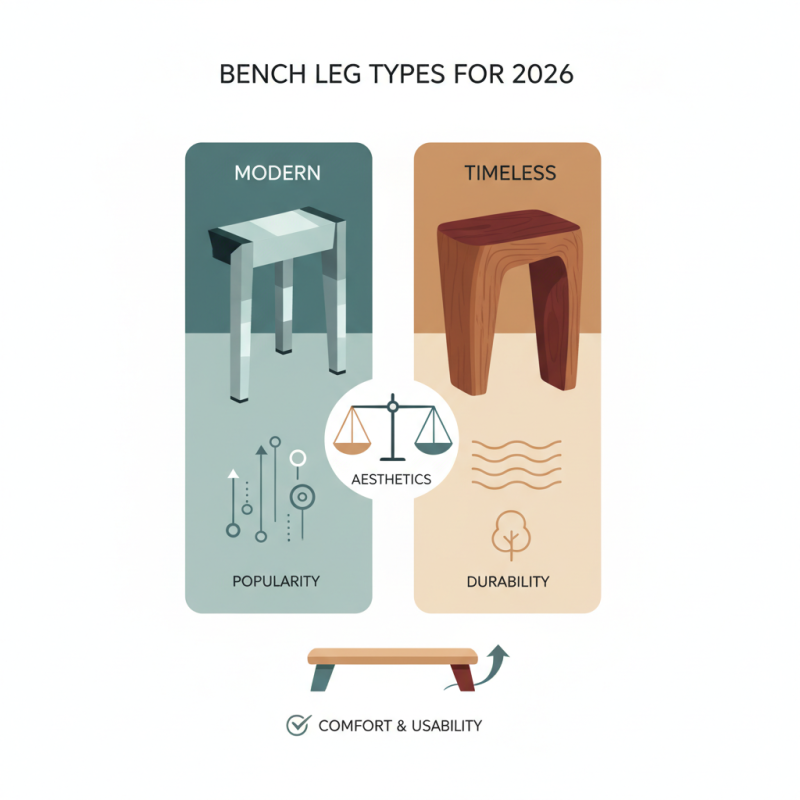
The market for bench legs has evolved significantly. Lightweight options made from aluminum are gaining popularity for their modern appeal. In contrast, solid wood legs remain timeless, offering stability and warmth. Understanding these trends is essential for making informed decisions.

Some may overlook the importance of bench legs. Studies show that the right choice can improve comfort and usability. Inadequate support can lead to issues in everyday use. Remember, the details matter. Finding a balance between style and function is key to creating the perfect bench for any space.
Best Bench Legs Types for 2026 What to Choose?

Types of Bench Legs: An Overview of 2026 Trends and Innovations

In 2026, the trends in bench legs promise innovation and style. The current focus is on materials like metal, wood, and composite options. Metal legs, particularly steel, are favored for their strength and durability. According to a recent industry report, 52% of designers prefer metal for modern aesthetics. Yet, wood retains its appeal, offering warmth and a classic look.

Sustainability is a key consideration. Reports show that 40% of consumers are willing to pay more for eco-friendly materials. Bamboo legs are emerging as a trendy choice. They provide a unique look while being renewable. However, not all bamboo is created equal. Quality can vary significantly, requiring careful selection.

Another trend involves adjustable legs. Surveys indicate that 30% of users value flexibility in their bench height. This adaptability allows for better ergonomic use in various settings. Yet, it’s crucial to ensure that these systems are not only functional but also stylish. Balancing aesthetics with practicality can be challenging.

Best Bench Legs Types for 2026: What to Choose?

Leg Type Material Height (inches) Weight Capacity (lbs) Trend Level (1-5)
Metal Steel 18 600 5
Wooden Oak 16 400 4
Adjustable Aluminum 14-20 500 5
Industrial Cast Iron 18 800 3
Minimalist PVC 15 300 5

Materials for Bench Legs: Durability and Aesthetics Explained

When selecting bench legs for 2026, the choice of materials plays a vital role. Wood, metal, and plastic are the primary contenders. Each material offers distinct advantages and drawbacks. Wood, while aesthetically pleasing, may require frequent maintenance. Reports indicate that high-quality hardwood can last over 30 years, but its susceptibility to moisture is a concern.

Metal legs, like those made from steel or aluminum, provide superior durability. According to industry research, metal components endure harsh weather conditions better than wood. They resist corrosion and bending, making them ideal for outdoor benches. However, one must consider the potential for scratches and rust in certain environments.

Plastic bench legs are lightweight and resistant to moisture, appealing for casual settings. They come in various colors and designs, making them a versatile choice. However, plastic may lack the strength and elegance of wood or metal options. Studies show that recycled plastic can endure for over 15 years but can deform under extreme weight. Choosing the right material thus requires a balance between aesthetic desires and practical performance.

The Impact of Weight Capacity on Bench Leg Selection for 2026

When selecting bench legs for 2026, weight capacity plays a critical role. A report from the National Testing Laboratory indicates that benches with higher weight capacities experience less structural stress. For example, bench legs rated for 600 pounds tend to provide enhanced stability. This is crucial for both safety and usability in various settings, from gyms to workshops.

Many consumers overlook the balance of design and strength. Aesthetic appeal is important, but compromising on weight capacity can lead to issues. Data show that benches failing under weight can lead to accidents, especially in high-trafficked areas. A recent industry survey highlights that over 30% of gym-goers experience equipment failures. Selecting legs tested for durability can mitigate these risks.

Consider the materials used in bench leg construction. Steel and heavy-duty aluminum are often preferred for their high weight thresholds. However, the weight can vary significantly based on design and form factor. Some lighter designs may look sleek but fail under load. A thoughtful choice is necessary, ensuring that strength complements the visual aspects of your furniture or equipment.

Cost-Effectiveness of Various Bench Legs in the Current Market

When considering bench legs for 2026, cost-effectiveness is crucial. Different types of bench legs come with varying prices. Wooden legs might look elegant but can be costly. Metal options are often cheaper and offer durability. Plastic legs are the most affordable but may lack aesthetic appeal. Assessing the right balance between quality and price is essential.

Market trends suggest stability in material costs. However, fluctuations can impact pricing. Research shows that certain materials retain value over time. For example, hardwood legs may incur higher initial costs, but their longevity offers savings in the long run. A personal touch is vital. Custom designs, though pricier, provide uniqueness. Buyers need to reflect on their priorities. Are they investing in style or functionality? This thought process can guide choices effectively.

Not every bench leg option is suited for every environment. Consider the space and its uses. A heavily used space may require sturdier materials. Additionally, options that blend well with existing decor might come at a premium. Sometimes, a compromise between aesthetic and functional legs is necessary. This requires careful thought and planning. Balancing desires with practical needs can lead to the best choice overall.

Sustainability in Bench Leg Design: Eco-Friendly Options for 2026

Sustainability is becoming a priority in bench leg design. More users want eco-friendly options that minimize environmental impact. Choosing sustainable materials is vital. Recycled metals and reclaimed wood are popular choices. These materials often offer durability alongside environmental benefits.

Innovative designs are emerging in 2026. Adjustable legs made from biodegradable composite materials are one example. They adapt well to different surfaces. However, the market lacks uniform standards for these products. Consumers may find it challenging to assess what truly qualifies as eco-friendly.

Although many brands claim sustainability, not all live up to expectations. Transparency in sourcing is crucial. Researching the origin of materials can help make informed choices. Supporting local artisans can also enhance sustainability. Their practices often prioritize ecological responsibility.

FAQS

: What materials are trending for bench legs in 2026?

: Popular materials include metal, wood, and composite options, with metal being favored for its durability.

Why are metal legs preferred by designers?

Metal legs, particularly steel ones, are strong and provide a modern aesthetic that many designers want.

How important is sustainability in bench leg material selection?

Sustainability matters significantly. Many consumers are open to paying more for eco-friendly materials like bamboo.

Are all bamboo legs of equal quality?

No, bamboo quality differs greatly. It’s essential to choose carefully to ensure longevity and style.

What advantage do adjustable legs offer?

Adjustable legs provide flexibility in height, making benches more ergonomic in various settings.

What weight capacity should be considered when selecting bench legs?

Choosing legs with higher weight capacities enhances stability and safety, especially in busy areas.

How does weight capacity affect bench performance?

Benches with insufficient weight capacity can lead to structural failures and accidents. User safety is crucial.

What is a common oversight when selecting bench legs?

Many consumers overlook the balance of design and strength, which can lead to dangerous equipment failures.

Why is material choice important for weight capacity?

Different materials like steel and aluminum offer varying weight thresholds. This can impact both design and strength.

How can consumers ensure their benches are both stylish and sturdy?

Select bench legs designed for durability without compromising on aesthetic appeal, as both aspects are essential.

Conclusion

The article "Best Bench Legs Types for 2026 What to Choose?" provides a comprehensive overview of the trending types of bench legs expected to dominate the market in 2026. It discusses various materials used for bench legs, emphasizing the balance between durability and aesthetics. The selection of bench legs is further influenced by their weight capacity, which is crucial for ensuring stability and safety in different environments.

Additionally, the article addresses the cost-effectiveness of various bench leg options in the current market, helping consumers make informed decisions. An important aspect highlighted is the sustainability of bench leg designs, showcasing eco-friendly choices that align with contemporary environmental standards. Overall, this article serves as a guide for consumers looking to choose the best bench legs that cater to their functional, financial, and ethical preferences for the coming year.


Charlotte

Charlotte

Charlotte is a seasoned marketing professional with a deep understanding of the company's portfolio and a passion for elevating its presence in the market. With a keen eye for detail and a commitment to excellence, she ensures that our professional blog is regularly updated with insightful articles......