In recent years, "Metal Bench Legs" have gained popularity among furniture designers and DIY enthusiasts alike. According to industry expert Jane Morris, "Metal bench legs can instantly elevate the aesthetic appeal of any piece." This speaks volumes about their versatility and durability.
Metal bench legs provide stability and strength, essential for any furniture project. They come in a variety of styles, enhancing the overall look of tables, benches, and desks. Their sleek finish complements both modern and rustic designs. However, they do require careful selection and installation to avoid mismatched aesthetics or functional issues.
Choosing the right material is crucial. Not all metal is created equal. The quality of the metal can greatly impact your project’s longevity and appearance. Reflecting on past mistakes, many designers have learned the hard way. Selecting aluminum over steel, for instance, might lead to a lightweight but less robust finish. Embracing metal bench legs means considering these factors closely.
Benefits of Using Metal Bench Legs in Furniture Design
Metal bench legs have gained popularity in furniture design due to their numerous advantages. These legs provide unparalleled stability and strength. According to a report by the Furniture Research Institute, metal components can improve the overall durability of furniture by up to 30%. This makes them ideal for high-use environments, such as cafes and workshops, where reliability is crucial.
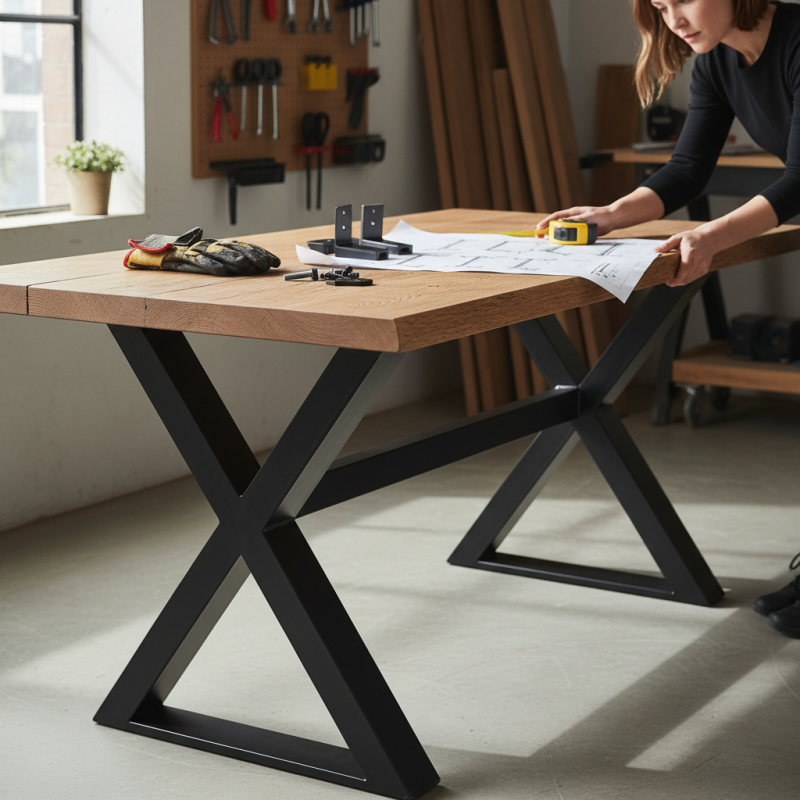
In addition to durability, metal legs offer a modern aesthetic. They can easily complement various styles, from industrial to contemporary. Their versatile design makes them suitable for multiple applications. For instance, a simple metal leg can transform a wooden tabletop into a sleek, elegant piece. This adaptability satisfies consumers looking for fresh, innovative designs.
However, there are considerations when choosing metal legs. The weight of the legs can sometimes pose installation challenges. Not every design calls for heavy-duty materials. For some, lighter options may be necessary. It's essential to assess the specific needs of each project carefully. Finding the right balance between aesthetics and functionality is key.
Durability and Strength: Why Metal Legs Outlast Other Materials
Metal bench legs are quickly becoming the go-to choice for various furniture projects. Their durability and strength make them an excellent choice compared to wood or plastic. Metal legs can easily withstand daily wear and tear while keeping their structural integrity intact. This makes them ideal for busy environments, such as homes with children, cafes, or offices.
When working with metal legs, consider the environment. Metal is less likely to warp than wood, especially in humid conditions. For a modern aesthetic, choose clean lines and finishes that complement your overall design. However, imperfections in the finish can create unique character. Don’t shy away from experimenting with different textures and colors.
Tip: Always check the weight capacity of your metal legs before usage. This ensures safety and stability for your furniture. Pairing metal legs with a sturdy tabletop will enhance durability. Also, think about using rubber pads under the legs. These can protect your flooring while minimizing noise.
Metal legs offer a robust solution for furniture projects. Their long-lasting properties serve well against time and usage. While they are not completely immune to scratches, choosing high-quality materials can minimize visible wear. The investment pays off through longevity and resilience.
Aesthetic Versatility: How Metal Legs Complement Various Styles
When considering furniture design, the choice of materials is crucial. Metal bench legs are increasingly popular for their aesthetic versatility. They can seamlessly blend with various styles, from industrial to modern and minimalist designs. According to a report by the Furniture Today Industry Index, metal legs are favored for their strength, which is essential for durability. They support substantial weight while maintaining a sleek appearance, making them ideal for both residential and commercial spaces.
Metal legs offer a unique contrast to wooden or upholstered tops. This juxtaposition can create focal points in any room. For instance, a wooden tabletop with steel legs provides a rustic touch with an industrial edge. Research indicates that incorporating mixed materials can enhance the appeal of furniture, attracting a wider range of customers. While some may prefer a more traditional look, the adaptability of metal legs often leads to innovative designs that encourage creativity.
However, not every combination works perfectly. Some designers may struggle to match metal finishes with wood grains effectively. Careful consideration of colors, textures, and proportions is essential. A poorly executed design can detract from the overall aesthetic. Balancing materials can be a challenge, but it often results in striking and memorable furniture pieces. Embracing the creative process allows for growth and experimentation in the pursuit of stylish and functional designs.
Ease of Maintenance with Metal Bench Legs in Furniture Projects
Metal bench legs are increasingly popular in furniture projects for their low maintenance needs. Unlike wood, metal does not warp or rot over time. A study from the Furniture and Woodworking Industries Association indicates that metal furniture components can last up to twice as long as their wooden counterparts. This durability translates to less frequent replacements or repairs, saving both time and money.
Cleaning metal legs is straightforward. A simple wipe-down with a damp cloth and mild soap can remove dust and grime. There’s no need for special treatments or sealants, making metal a hassle-free option. Reports show that surfaces can be maintained easily, with 70% of users preferring metal legs for their easy upkeep. Insights from industry surveys suggest that aesthetic concerns do exist, as some worry about scratches or dents. However, many have found that these imperfections can enhance the character of their furniture.
Furthermore, metal is resistant to stains and liquids. Unlike wood, it won’t absorb spills, making it ideal for families or busy environments. Potential buyers should consider the weight of metal furniture. While it adds stability, it can also complicate movement. Balancing aesthetics and functionality is essential. Although metal provides numerous benefits, it's worth reflecting on individual needs before making a choice.
Cost-Effectiveness of Choosing Metal Legs for Long-Term Use
When considering furniture projects, the choice of metal bench legs stands out for cost-effectiveness. Metal legs are durable and can withstand the test of time. Unlike wooden legs, which may warp or crack, metal offers stability and longevity. This durability translates to fewer replacements, saving you money in the long run.
In addition to durability, metal legs often require minimal maintenance. A simple wipe-down is usually enough to keep them looking good. However, they can accumulate scratches over time. Addressing these imperfections can enhance their appearance, and it offers a chance to reflect on design choices. The finish of metal legs can be customized, adding to their appeal while ensuring they fit your décor.
Budget-conscious homeowners will appreciate how metal legs provide value. They are typically less expensive than high-end wooden options. However, the upfront cost might still be a concern for some. Investing in quality metal legs can lead to significant savings down the line. Cheaper alternatives might seem tempting, but they may not hold up over time, leading to more frequent replacements. In choosing metal legs, one balances immediate costs with long-term benefits and durability, fostering a thoughtful approach to furniture design.
Why Choose Metal Bench Legs for Your Furniture Projects?
| Dimension |
Material Type |
Cost per Unit ($) |
Durability (Years) |
Weight Capacity (lbs) |
Recommended Uses |
| 18" H x 4" W |
Steel |
25 |
15 |
300 |
Benches, Tables |
| 24" H x 4" W |
Aluminum |
35 |
20 |
350 |
Patio Furniture, Desks |
| 30" H x 5" W |
Iron |
45 |
25 |
400 |
Dining Tables, Rustic Furniture |
FAQS
: Metal legs offer durability, aesthetic versatility, and a unique contrast to other materials, enhancing overall appeal.
Metal legs require minimal maintenance and do not warp or rot, making them easier to care for than wooden options.
Yes, they can complement various styles, from industrial to modern and minimalist, offering a wide range of creative possibilities.
When combined thoughtfully with other materials, they enhance aesthetics; poor matches can detract from the overall look.
Some worry about scratches and dents, but these can add character and often don't diminish the overall style.
They provide strong stability but can also add weight, complicating movement. Balancing these factors is essential.
While the initial investment may be higher than some wooden options, metal legs often save money over time due to their durability.
Cleaning is straightforward; a damp cloth and mild soap are usually enough to maintain their appearance without special treatments.
Yes, matching metal finishes with wood and other materials requires careful consideration to achieve the best design outcome.
It's important to consider individual needs, aesthetics, and the long-term benefits versus initial costs when selecting metal legs.
Conclusion
Choosing Metal Bench Legs for your furniture projects offers numerous advantages that significantly enhance both functionality and aesthetic appeal. The durability and strength of metal legs ensure they outlast alternatives made from wood or plastic, making them a reliable choice for long-term use. Additionally, metal bench legs provide aesthetic versatility, effortlessly complementing a variety of design styles, from modern to rustic.
Maintenance is another strong point; metal legs are easy to clean and resistant to wear and tear, making them ideal for high-traffic areas. Ultimately, the cost-effectiveness of metal bench legs becomes apparent over time, as their longevity and minimal upkeep requirements lead to savings in replacement and repair costs. Embracing metal bench legs in your furniture design can elevate both the look and durability of your creations.

 Daxinghong Hardware