When considering materials for your next project, metal bench legs stand out as a compelling choice. Industry expert Laura Thompson, a renowned designer with over 15 years of experience in furniture design, once said, "Metal bench legs provide durability and style that wood simply cannot match." This statement encapsulates why many designers gravitate toward metal for their creations.
Metal bench legs offer unparalleled strength and stability, making them ideal for both indoor and outdoor settings. Their sleek appearance can transform a simple bench into a modern centerpiece. Moreover, metal is inherently resistant to pests and moisture, ensuring longevity. However, some may question if a metal leg can match the warmth of wood. It's a valid concern, but many find that the industrial look of metal complements various design styles without sacrificing aesthetic appeal.
Choosing metal bench legs can enhance your project in ways you might not expect. They can bridge the gap between form and function. Still, it is essential to consider design harmony. Sometimes, blending metal legs with softer materials can yield the best results. The beauty of metal combined with thoughtful design choices can create stunning outcomes.
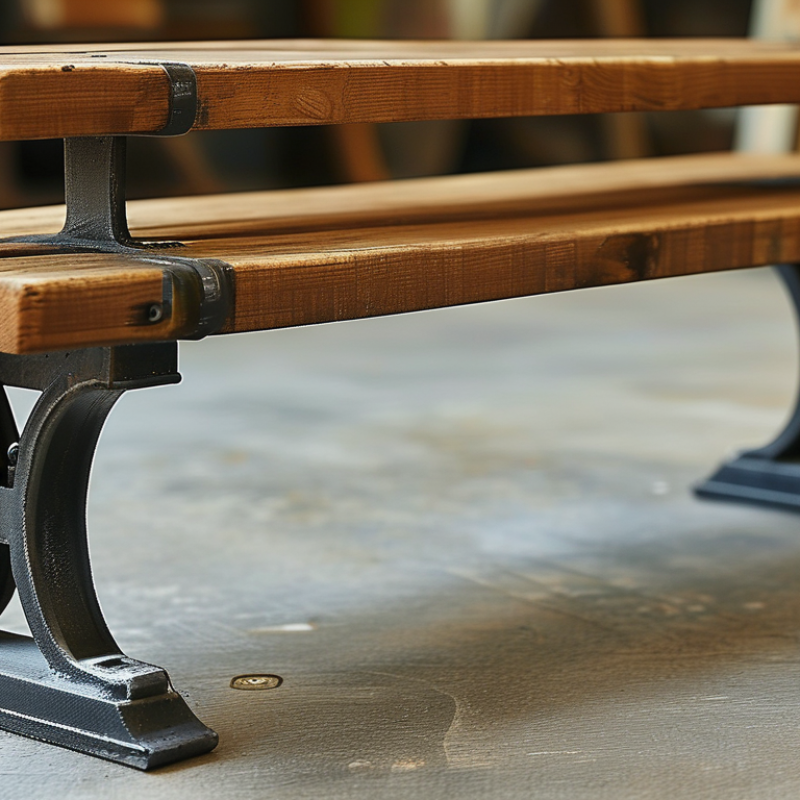
When designing furniture, metal bench legs stand out for their durability and modern appeal. They offer superior strength compared to wood or plastic. This stability allows your furniture to withstand daily use, making it a solid choice for both home and commercial environments.
Using metal bench legs can also provide a sleek, industrial aesthetic. This style complements various interior designs, from minimalist to rustic. You might prefer the unique look of brushed stainless steel or the warmth of painted metal. Each finish offers different visual effects, enhancing the overall design of your project.
Tips for choosing metal bench legs: Consider the environment where your furniture will be used. Outdoor furniture requires rust-resistant materials. Additionally, think about color finishes that blend well with your existing decor. Finally, weight capacity is crucial. Ensure the legs can support the intended load effectively, as some individuals may overlook this.
| Benefit | Description | Durability | Design Versatility |
|---|---|---|---|
| Stability | Metal bench legs provide a stable foundation for various types of furniture. | High resistance to wear and tear, lasting for years. | Easily customizable shapes and finishes for various styles. |
| Aesthetic Appeal | Offers a sleek and modern look to any furniture piece. | Not prone to chips or cracks like other materials. | Can be painted or coated to match any design theme. |
| Eco-Friendly Options | Recyclable metal materials reduce environmental impact. | Long lifespan means less frequent replacements. | Compatible with different tabletop materials for mixed use. |
| Easy Maintenance | Simple cleaning process to maintain appearance. | Resistant to stains and easily wiped clean. | Suitable for various indoor and outdoor settings. |
: Metal bench legs offer durability and can withstand harsh weather. They won’t warp or rot over time.
Proper treatment like powder coating improves resistance to rust and corrosion. Always check for protective finishes.
Yes, metal bench legs can be tailored in colors, finishes, and shapes to meet diverse design needs.
Heavier metal legs provide more stability but may be difficult to move. Weigh your options carefully.
Yes, striking designs can lack stability. Ensure that your project meets both visual and practical requirements.
Different heights suit various purposes. Café benches may be lower, while workspaces often require higher seating.
Testing ensures that designs function well. User feedback is essential for making necessary adjustments.
You can paint them or leave them in their natural finish. Consider how they complement your overall design.
Focusing too much on looks can result in stability issues. Balance form and function for the best outcome.
Iteration allows for improvement. Reflecting on feedback helps perfect the final product over time.
Metal bench legs offer a range of benefits in furniture design, making them a popular choice for various projects. Their durability and longevity ensure that you receive a sturdy foundation for your furniture, capable of withstanding daily use. Unlike other materials, metal bench legs provide a robust structure that can endure the test of time, reducing the need for frequent replacements.
In addition to their strength, metal bench legs come with a variety of aesthetic styles, allowing designers to create unique and visually appealing pieces. The versatility in design options enables customization, ensuring that each project can reflect the desired theme or personal taste. Overall, choosing metal bench legs enhances both the functional and decorative aspects of furniture, making them a worthwhile investment for any design project.

 Daxinghong Hardware