When selecting the perfect couch legs for your sofa, the choices can feel overwhelming. Expert designer Maeve Hastings emphasizes, "The right couch legs can transform a piece from ordinary to extraordinary." Understanding the impact of couch legs is crucial for both aesthetics and functionality.
Couch legs come in various styles, materials, and heights. Each choice affects the overall look and feel of your living space. For instance, wooden legs lend warmth, while metal legs provide a modern touch. The height can change how your sofa is perceived, sculpting its silhouette and comfort.
While many overlook the importance of couch legs, they play a pivotal role in design. They must complement your sofa and align with your style. Reflecting on your personal taste is vital. Consider how different styles resonate with the existing décor. Your choice of couch legs should not only please the eye but also support the sofa's function, ensuring durability and stability.
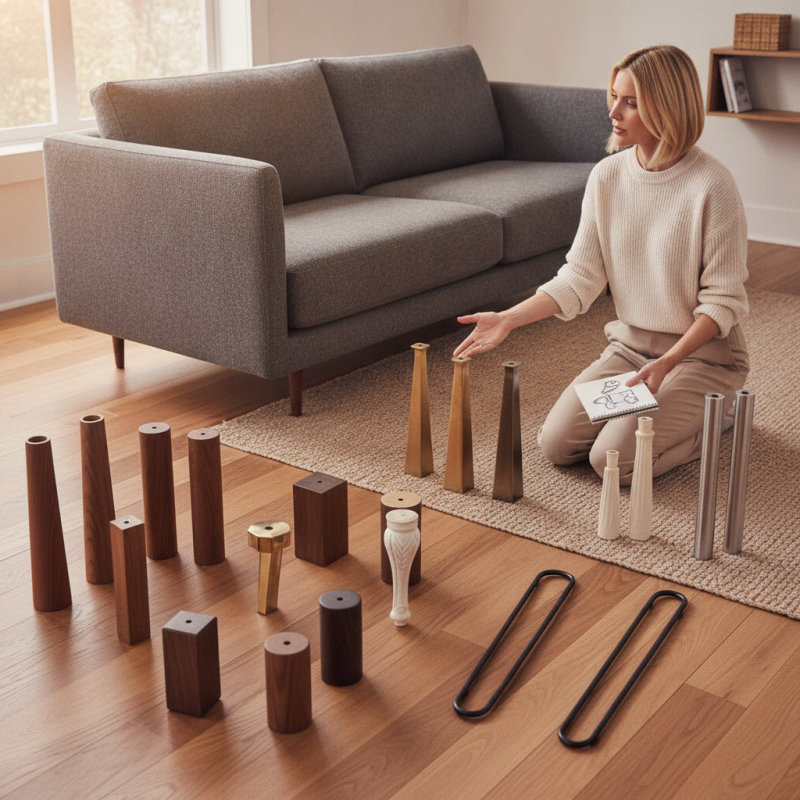
Understanding the Importance of Couch Legs in Sofa Design
Couch legs play a crucial role in the overall design of a sofa. They are often overlooked, yet they significantly impact both aesthetics and functionality. The right legs can elevate your sofa's design, making it a centerpiece in your living room. For instance, tapered wooden legs can offer a mid-century modern touch, while bold metal legs can provide an industrial vibe.
Choosing the appropriate height and style can also affect comfort. Too low might lead to a cramped seating experience, while too high can make sitting down difficult. Consider your lifestyle. Do you have pets or children? If so, sturdy, easy-to-clean options are vital. Reflecting on your daily needs can guide you towards more practical choices.
Don’t forget about the color and finish of the legs. A contrast between leg color and sofa upholstery can create visual intrigue. However, it is essential to ensure that it aligns with the overall theme of your space. A mismatch could lead to a chaotic look, which might not serve a purpose. Your choice of couch legs can truly reflect your style if carefully considered.
Types of Couch Legs: Materials and Styles Explained
Choosing the right couch legs is essential for both
style and functionality. Various materials influence durability and aesthetics. Wood,
for instance, offers a classic charm. Hardwoods like oak and maple
are strong and resistant to wear. Conversely, softwoods may lack longevity but are often more affordable. Metal legs,
such as stainless steel or wrought iron, provide a modern vibe. They are usually resistant to damage, which is advantageous for
high-traffic areas.
Another aspect worth discussing is the style of couch legs. Tapered legs can promote a more contemporary, minimalist look.
In contrast, turned legs evoke a traditional, elaborate design. Many homeowners are shifting toward mid-century modern styles,
which often use simple, low-profile legs. According to a recent survey, 40% of consumers
prioritize stylish designs when selecting furniture components. This shows how leg design can impact overall sofa appearance.
The choice of couch legs can also affect your room's function. Higher legs allow for easier cleaning underneath the sofa,
but risks making the couch feel less stable. Conversely, low-profile legs provide a grounded feeling, but can complicate
cleaning. The balance between aesthetics and practicality demands thoughtful consideration. Trends indicate that 25% of buyers
regret not choosing more versatile designs, emphasizing the need for mindful decision-making in furniture selection.
Measuring Couch Legs for Perfect Fit and Stability
Measuring couch legs is crucial for achieving a stable and stylish sofa. Start by determining the height you want. The legs should complement the sofa's design while being functional. Use a measuring tape for accuracy. Measure from the bottom of the sofa to the floor. This ensures your new legs fit perfectly and provide the necessary support.
Consider the width of each leg. Narrow legs may look elegant but could struggle under heavy weight. Wider legs offer more stability but may alter your sofa's overall aesthetic. Think about the material too. Wooden legs give a classic look, while metal legs can modernize your sofa.
Be aware of the installation process. You may need to adjust existing holes or use brackets for better support. Improper installation can lead to wobbling. Take time to reflect on your choices. Not all designs work seamlessly together. Balancing style with stability is essential for your sofa's longevity. Choose wisely.
How to Choose the Best Couch Legs for Your Sofa? - Measuring Couch Legs for Perfect Fit and Stability
| Couch Leg Style |
Height (inches) |
Material |
Weight Capacity (lbs) |
Recommended Use |
| tapered legs |
4-6 |
Wood |
300 |
Modern sofas |
| square legs |
6-8 |
Metal |
500 |
Heavy-duty sofas |
| turned legs |
5-7 |
Hardwood |
350 |
Traditional sofas |
| hairpin legs |
10-12 |
Steel |
400 |
Mid-century modern sofas |
| block legs |
4-5 |
Plastic |
200 |
Light sofas |
Matching Couch Legs with Your Interior Decor
When considering couch legs for your sofa, think about your interior decor. The right legs can enhance aesthetics significantly. According to industry reports, 70% of consumers believe that furniture legs influence room design. This connection is crucial for creating a cohesive look.
Choose materials that align with your decor style. For a modern space, sleek metal legs may work well. If your decor leans toward rustic or traditional, wooden legs can add warmth. Look for colors that complement or contrast with your existing pieces. This can create visual interest.
**Tips:** Pay attention to leg height. Most sofas have a standard height ranging from 16 to 18 inches. If your sofa is too low, it can feel awkward. Alternatively, taller legs can add elegance. Reflect on how your choice can shift the room's vibe.
Be wary of overmatching; too many similar elements can feel stale. Instead, aim for balance—a mixture of textures and colors maintains vitality in a room. Remember, your choice should also consider functionality. Make sure legs are sturdy enough for daily wear and tear.
How to Choose the Best Couch Legs for Your Sofa?
This chart illustrates the preferred styles of couch legs among interior decorators based on different decor themes. Each bar represents the percentage of decorators who favor a particular style.
Maintenance Tips for Keeping Couch Legs in Top Shape
Couch legs play a vital role in both the aesthetics and functionality of your sofa. To keep these important components in top shape, regular maintenance is essential. Dust and dirt can accumulate over time. Use a soft cloth to wipe down the legs weekly. This simple task prevents buildup and maintains the overall look of your sofa.
Inspect the legs periodically for any signs of wear or damage. Check for loose screws or unstable joints. Tighten screws as needed to ensure stability. If you notice any cracks, consider wooden filler for repairs. Metal legs may benefit from a rust-resistant spray if exposed to moisture.
Don’t forget about the floor beneath your couch. Dust particles can scratch the leg surfaces. A rug or chair pads can protect both the legs and your flooring. Aim to clean underneath regularly to avoid any unseen damage. This often-overlooked detail can make a significant difference. By investing time in care, you extend the lifespan of your couch legs and enhance your living space.
Conclusion
Choosing the best couch legs is crucial not only for the stability of your sofa but also for enhancing your overall interior design. Understanding the materials and styles available can dramatically influence the aesthetics of your space. It's essential to measure couch legs properly to ensure a perfect fit that contributes to the sofa's stability and complements your existing decor.
Additionally, matching couch legs with your interior design helps create a cohesive look, whether you prefer modern, rustic, or transitional styles. Regular maintenance of couch legs, such as cleaning and checking for wear, will keep them in top shape, ensuring that your sofa remains both functional and stylish for years to come.

 Daxinghong Hardware