Choosing the right Cast Iron Sofa Legs can change a sofa’s comfort, stability, and visual character. These supports are not merely decorative parts. They carry daily loads, influence seat height, and affect how safely the frame meets the floor. A strong-looking leg may still fail if its mounting plate is too small or poorly aligned.
Begin with the sofa’s structure, not the finish. Measure the existing leg position, frame thickness, bolt spacing, and desired floor clearance. Check the manufacturer’s load information whenever available. Cast iron is dense and rigid, but its weight can stress weak timber or damaged joints. A reinforced corner may be necessary before installation. Small details matter.
Think about movement.
A 150-millimeter leg can make a deep sofa feel easier to enter, while an unsuitable height may strain shorter users. Examine the surface closely. A powder-coated finish can resist everyday wear, yet chipped coating may expose metal to moisture and corrosion. I once focused too much on appearance and overlooked uneven floor contact. The result was a slight rocking motion that became irritating after several days.
Reliable selection also requires practical testing. Place the sofa on a level surface, tighten fasteners gradually, and check each corner for movement. Compare the leg’s shape with the sofa’s frame and surrounding furniture. Industrial designs suit leather and timber, but ornate profiles may overwhelm compact upholstery. The best choice balances strength, proportion, maintenance, and real household use. It may not be perfect. Recheck your measurements before ordering.
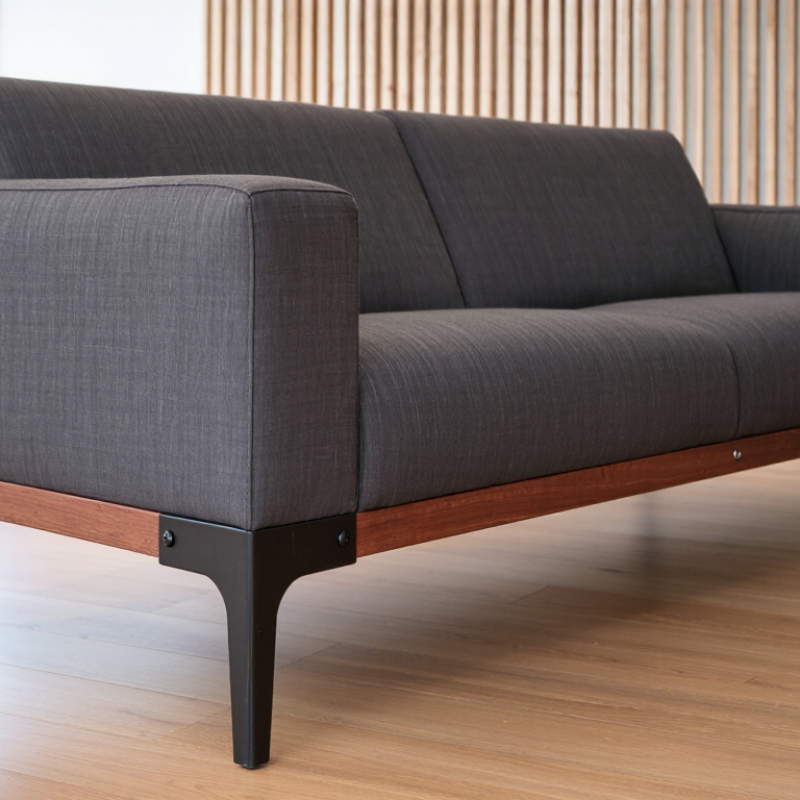
Choosing cast iron sofa legs begins with understanding their shapes and construction. Common types include straight legs, tapered legs, bun feet, and ornate cabriole designs. Straight legs suit modern sofas and provide a firm visual base. Tapered legs make bulky furniture look lighter. Bun feet offer a low, traditional profile. Cabriole legs add curves and decorative character.
Design should match the sofa’s frame, upholstery, and room style. A plain black finish can support industrial interiors, while a distressed surface suits vintage furniture. Check the mounting plate, screw position, and leg height carefully. A mismatched plate can weaken the connection. The iron should feel dense, evenly cast, and free from deep cracks or rough voids. Small surface marks may reflect handmade finishing, but sharp edges need correction.
In repair work, I have seen attractive legs fail because buyers ignored weight distribution. Measure the sofa base before choosing a design. Confirm that each leg sits flat on the floor. Add protective pads to reduce scratches and noise. Corrosion resistance also matters in humid rooms. Powder-coated surfaces usually offer practical protection, though damaged coating can still expose bare iron. I once selected a beautiful low leg that made sitting uncomfortable. It looked right, but the proportions were wrong. Comfort deserves equal attention.
| Cast Iron Leg Type | Recognizable Design | Typical Height Range | Common Mounting Method | Recommended Sofa Style | Main Advantages | Selection Considerations |
|---|---|---|---|---|---|---|
| Cabriole Leg | S-shaped profile with an outward curve at the top and an inward curve toward the foot. | 100–180 mm | Top plate, threaded stud, or direct screw fixing, depending on the frame construction. | Traditional, French provincial, vintage, and curved-arm sofas. | Creates an elegant silhouette and gives a sofa a visibly raised appearance. | Check that the curved profile does not interfere with the sofa base, upholstery skirt, or floor clearance. |
| Bun Foot | Short, rounded foot with a compact, ball-like or flattened spherical form. | 50–100 mm | Top plate or concealed threaded stud. | Classic, low-profile, transitional, and compact seating. | Offers a stable footprint and keeps the overall sofa height relatively low. | Measure the foot diameter and confirm that it will not visually overwhelm a small sofa base. |
| Claw-and-Ball Foot | Decorative claw or paw elements surrounding a central ball-shaped form. | 100–160 mm | Usually a top plate or a concealed bolt connection. | Ornate traditional, Victorian-inspired, and statement furniture. | Provides strong decorative impact and works well as a focal design detail. | Detailed castings collect dust more easily; verify that the ornate shape matches the sofa proportions. |
| Tapered Square Leg | Straight, angular leg that narrows toward the floor, often with a plain or stepped profile. | 100–180 mm | Flat mounting plate, screw holes, or threaded stud. | Mid-century, modern, transitional, and tailored sofas. | Provides a clean architectural appearance and is generally easy to align. | Confirm the top and bottom dimensions; a narrow foot may require a protective floor pad. |
| Turned or Fluted Leg | Rounded shaft with concentric rings, flutes, beads, or stepped decorative sections. | 100–200 mm | Top plate, threaded stud, or screw-mounted block. | Traditional, farmhouse, heritage, and transitional upholstery. | Adds visual detail without the extended projection of a strongly curved leg. | Match the fluting scale with the sofa frame; overly fine detailing can look disproportionate on large furniture. |
| Scroll or Scroll-Bracket Leg | Open scroll, leaf, or bracket motif that extends outward from the sofa base. | 80–160 mm | Typically a vertical mounting plate or multiple screw points. | Decorative vintage, industrial-classic, and eclectic sofas. | Can combine structural support with a highly visible ornamental pattern. | Measure the outward projection carefully to prevent contact with feet, rugs, or nearby furniture. |
| Industrial Block or Bracket Leg | Broad geometric form with squared edges, exposed casting texture, or reinforced corners. | 80–150 mm | Heavy-duty top plate or several structural screws. | Industrial, loft, contemporary, and leather seating. | Strong visual mass and good compatibility with thick frames and robust upholstery. | Use corrosion-resistant finishing for humid locations and ensure the mounting screws suit the frame material. |
| Adjustable Cast Iron Leg | Cast iron body combined with a threaded leveling section or adjustable foot. | 80–140 mm, with limited adjustment | Threaded stem, mounting plate, or integrated leveling assembly. | Modular, commercial, workshop-inspired, and uneven-floor applications. | Allows minor height correction and helps reduce rocking on slightly uneven floors. | Check the adjustment range, thread size, locking method, and safe load rating for the complete assembly. |
Turn the sofa over and inspect frame rails, corner blocks, and existing screw holes. Measure plate length, width, hole spacing, and clearance. Old frames are rarely square.
Add the sofa’s weight, occupants, and repeated movement. Divide the working load across all legs. Allow extra capacity for uneven floors. Heavy is not automatically stronger.
Not always. Cast iron feels solid, but it adds transport weight and frame stress. Ask for the alloy grade and wall thickness. Weight alone proves little.
Choose broad, flat feet instead of narrow points. Rounded contact areas reduce pressure and sharp edges. Add suitable non-slip pads when the floor allows.
Screws should grip sound timber securely. They must not pierce upholstery or pass through the frame. Check the timber depth before installation. Shorter is sometimes safer.
Place the sofa on stable blocks and fit one leg. Check rocking, twisting, and plate alignment. Do not guess the hole spacing. That mistake is avoidable.
Inspect the mounting plate, corners, and foot for cracks or visible pores. Clean fillets usually support better load transfer. Small pores can trap moisture and create rust points.
Keep the feet dry and inspect chipped coatings regularly. Remove surface rust early with a suitable abrasive. Do not leave wet cloths beneath the legs. Easy to forget.
Test sitting, sideways movement, and repeated loading. Recheck every fastener after installation and again several weeks later. I sometimes skip this step, and that needs improvement.
Choosing the right Cast Iron Sofa Legs requires more than selecting an attractive style. Start by understanding the available leg types, shapes, and design details, then assess your sofa’s structure, total weight, and existing support points to ensure proper compatibility. The legs should match the sofa’s construction and distribute weight evenly without affecting comfort or stability.
Next, consider the ideal leg height, shape, and surface finish in relation to the sofa’s appearance and room design. Carefully check mounting methods, measurements, screw placement, and included hardware before installation. High-quality Cast Iron Sofa Legs should provide strong support, resist wear, and remain secure during regular use. Their maintenance needs should also be considered, including cleaning methods and protection against moisture or surface damage. By balancing appearance, dimensions, installation requirements, durability, safety, and upkeep, you can select sofa legs that improve both the function and overall character of your furniture.

 Daxinghong Hardware