Choosing the right cabinet legs is essential for both style and functionality. The perfect cabinet legs can elevate your furniture's appearance while providing necessary support. It's not just about aesthetics; they need to be durable and suitable for your specific needs.
Start by considering the materials. Wood, metal, and plastic each offer unique advantages. Wooden legs bring warmth, while metal legs can add a modern touch. Think about the height as well. The right height will ensure stability and comfort.
Don't forget about weight capacity. Some legs can only support a limited amount. This can lead to frustration if you choose poorly. Pay attention to details like design and finish. These choices can make or break the overall look. In the end, careful consideration of these factors will lead to a functional and stylish cabinet.
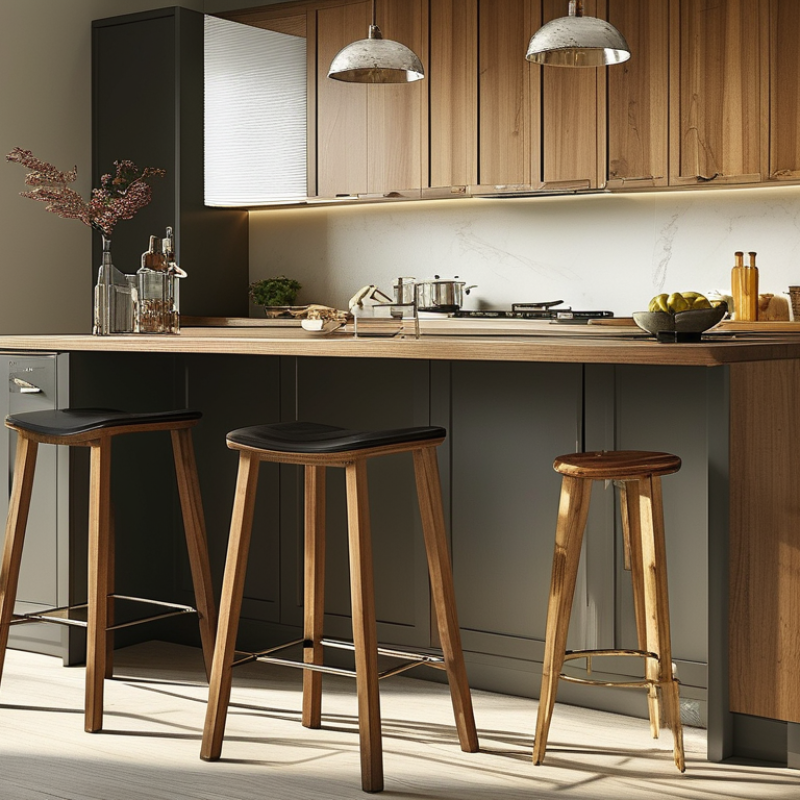
When selecting cabinet legs, understanding the types available is crucial. Wooden legs are popular for their aesthetic appeal. They can elevate the look of any cabinet. However, they may require more maintenance than other materials. Metal legs, in contrast, offer durability and a modern touch. According to recent industry reports, 45% of homeowners prefer metal for high-traffic areas due to their strength and stability.
Plastic legs are often overlooked. They are lightweight and resistant to moisture. This makes them ideal for kitchens and bathrooms. Yet, their design options may not appeal to everyone. There's the consideration of height, too. The standard cabinet height in kitchens is about 34.5 inches. The right legs can enhance functionality and style. Design professionals highlight that 68% of custom cabinets use adjustable legs for flexibility.
It's important to assess your needs and style before choosing. Think about the environment and usage. For instance, higher humidity areas favor moisture-resistant materials. Yet, a wood option could be perfect for a living space. Balancing functionality with personal preference can be challenging. Aim for durability and style that suits your home. Testing different styles can lead to unexpected yet pleasing results.
When choosing cabinet legs, several factors contribute to the overall aesthetic and functionality of your space. The material is crucial. Wooden legs offer warmth, while metal legs provide a modern touch. According to a 2022 survey by the National Home Furnishings Association, 68% of homeowners prefer wooden furniture for its versatility. Additionally, consider the height of the legs. Standard options range from 4 to 6 inches. Legs below this can make cabinets feel bulky.
Weight capacity is also a vital aspect. Most cabinet legs can support up to 350 pounds, but this can vary. Ensure you understand how much weight your cabinets will hold. A report from the Furniture Manufacturers Association indicates that nearly 30% of furniture accidents stem from improperly secured legs. It’s wise to invest in adjustable legs if you are uncertain about your cabinet's weight.
Tips: Always measure twice before purchasing. A proper measurement prevents unexpected issues and creates a harmonious look. Aesthetic choices matter. Combining wood and metal can give a unique character to your cabinets. Remember to think about your personal style and the overall theme of your space when selecting cabinet legs. Striking a balance between practicality and aesthetics will enhance your home’s look.
Choosing the right material for cabinet legs is crucial for both aesthetics and stability. Common options include wood, metal, and plastic. Each of these materials has its pros and cons that can significantly impact your selection process.
Wood, often favored for its warmth, offers a timeless appeal. However, softer woods can dent easily and may require more maintenance. According to a report by the Wood Industry Network, around 40% of designers prefer wood due to its versatility in design. On the downside, wood can warp in high humidity environments, making it less reliable in certain conditions.
Metal offers sturdiness and modern aesthetics. Aluminum and steel are popular choices, providing durability. However, metal legs can be cold to touch and may lack the warmth of wooden options. A study from the Metal Furniture Association indicates that 30% of consumers appreciate metal for its industrial look but acknowledge its lack of comfort. Plastic is lightweight and resistant to moisture but may not offer the same structural integrity as wood or metal, often leading to concerns about durability. Each material presents trade-offs, requiring careful consideration tailored to specific needs and environments.
| Material | Pros | Cons |
|---|---|---|
| Wood | Durable, classic look, can be stained or painted. | Can be expensive, susceptible to moisture damage. |
| Metal | Very durable, modern appearance, easy to clean. | Can be heavy, may rust if not properly treated. |
| Plastic | Lightweight, inexpensive, resistant to moisture. | Less durable, can look cheap compared to wood or metal. |
| Composite | Eco-friendly, can mimic wood, usually cheaper. | May not be as strong as natural wood, can chip easily. |
| Stone | Unique appearance, very durable, stable. | Very heavy, expensive, difficult to install. |
Choosing the right height for cabinet legs is crucial. It impacts both aesthetics and functionality. The right height ensures your cabinets align well with countertops or appliances. Consider your daily use and the overall design of your space. If you have taller appliances, ensure your cabinets don't appear dwarfed.
Adjustability can be key in selecting cabinet legs. Some legs allow for height modifications, which can be beneficial in uneven spaces. This flexibility helps align cabinets perfectly with flooring or other kitchen elements. It's a practical feature for anyone unsure about their final layout.
Keep in mind that not all cabinet legs suit every design. Materials and styles vary widely. Some legs may look great but lack stability. This can lead to potential issues over time. Always envision how the legs will blend into your overall design, and don’t hesitate to mix styles to find what feels just right. Finding perfect cabinet legs is a journey of exploration, involving plenty of trial and error.
When selecting cabinet legs, consider how they align with your overall interior design. Different designs evoke various feelings. For instance, sleek metallic legs work well in modern aesthetics. In contrast, wooden legs bring warmth to traditional settings. According to a recent design report, 70% of homeowners prioritize matching furniture legs with their room styles. This statistic underscores the importance of alignment in design choices.
Tips for choosing the right legs include analyzing existing furniture. Are your cabinets rustic or contemporary? Also, consider your color palette. A contrast can energize a space. However, ensure that the contrast feels intentional, not accidental. Sometimes, mismatched styles may require a more careful selection process. Reflect on how every piece interacts.
Pay attention to the scale of your furniture. Overly large legs can overwhelm small cabinets. In contrast, delicate legs may not support heavier pieces well. Research shows that 60% of customers regret not considering proportions. Hence, evaluate your room dimensions before making a selection. Visualize how the legs change your cabinet's appearance. Your choice can significantly impact the ambiance of the space.
: Wooden legs provide warmth, while metal legs offer a modern touch. Your choice should reflect your personal style.
Standard cabinet legs typically range from 4 to 6 inches. Choosing the right height is vital for aesthetics.
Most cabinet legs can support up to 350 pounds. Be sure to consider your cabinet's weight capacity.
Adjustable legs help accommodate uneven floors and align cabinets with other elements in your space.
Consider your existing furniture and color palette. Ensure the legs complement the overall design theme intentionally.
Oversized legs can overwhelm cabinets, while delicate legs may struggle with heavier pieces. Proportions matter greatly.
Invest in well-designed legs and ensure they are properly secured. This helps avoid accidents and instability.
It's a process of exploration. Don't hesitate to mix styles and experiment with different options for the best fit.
Yes, measuring twice is essential. Accurate measurements help avoid unexpected issues and ensure a harmonious look.
When selecting cabinet legs, it's essential to understand the various types available and their specific uses. Different materials, such as wood, metal, and plastic, each come with their own pros and cons, influencing durability, maintenance, and aesthetic appeal. Additionally, factors like height and adjustability play a crucial role in ensuring that the cabinet legs fit seamlessly into your space and meet your functional needs.
Design style is another critical consideration when choosing cabinet legs, as they should complement your overall interior decor. Whether you prefer a modern, rustic, or traditional look, matching the design of the legs to that of your cabinets and surrounding elements can enhance the visual coherence of your space. By carefully weighing these factors, you can select the right cabinet legs that not only provide support but also elevate the style of your interiors.

Daxinghong Hardware