Farmhouse Sofa Legs can change the character of a sofa more than their modest size suggests. Turned wood legs bring a familiar, traditional feel, while tapered or gently angled styles can make a bulky frame look lighter. Black metal adds contrast, but it may feel too sharp beside soft linen and warm oak. Looks matter. So does fit.
This guide explores leg styles for different farmhouse sofas, from slipcovered seating to sturdy, family-room sectionals. It also considers practical details: attachment plates, mounting points, leg height, and the floor beneath the sofa. A leg that looks right online may not suit an older frame or sit evenly on uneven boards. Measure before buying, and check the sofa maker’s guidance when available. These small checks are easy to skip.
Material and finish deserve equal care. Solid wood offers a natural grain and can be refinished, though tone and durability vary by species and finish. Metal legs are often easy to wipe clean, but their shape and weight still need to match the sofa’s construction. There is no universal best choice. Some combinations look charming in a photo yet feel awkward in a real room, especially when rug height or nearby furniture changes the proportions. The recommendations ahead compare popular Farmhouse Sofa Legs by appearance, compatibility, and everyday use, so readers can choose with clearer expectations—not just follow a trend.
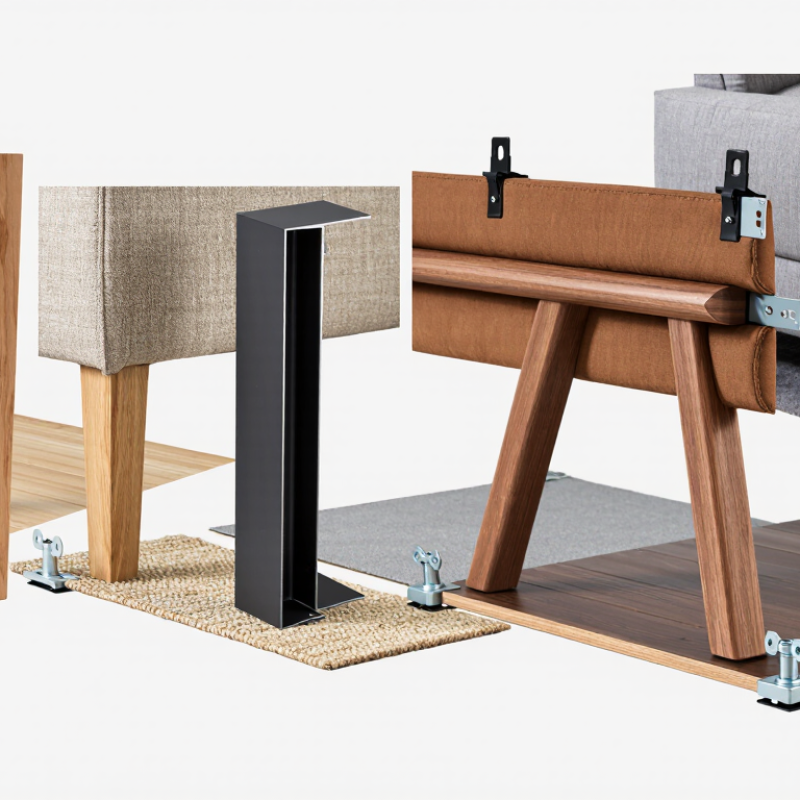
Farmhouse sofa legs are defined less by one exact shape than by honest materials, visible structure, and a grounded stance. Think solid wood, warm or muted finishes, and square or gently tapered profiles. A lightly worn surface can suggest age; heavy distressing may look staged. Keep it simple.
Proportion matters. Short block legs give a deep, low sofa a sturdy look, while taller tapered legs feel lighter and suit slimmer frames. Look for clean joinery, an even finish, and legs that sit firmly on the floor. Wood grain adds useful texture beside linen, cotton, or a nubby upholstery weave. Still, farmhouse style is not a rulebook. The wrong scale can make a sofa feel clumsy, even when the material seems right.
Furniture choices sit within wider home-investment decisions. The 2024 U.S. Houzz & Home Study found that 54% of surveyed homeowners renovated in 2023, with median renovation spending of $24,000. The study does not measure sofa-leg preferences, so it cannot establish a farmhouse trend. It does underline why practical details deserve attention: check the leg’s attachment, floor clearance, and finish durability before choosing. A small detail can disappoint in daily use.
Farmhouse sofa legs often look simple, but their material affects both stability and character. Solid oak and maple offer firm support and show clear grain beneath a light stain. Pine is lighter and often more affordable, though it dents more easily near busy walkways. Check that each leg sits flat and uses secure mounting hardware. A wobbly corner is not charming.
Metal legs, usually steel or iron, bring a sharper contrast to relaxed linen or cotton upholstery. Matte black gives a grounded, understated look, while brushed finishes soften the industrial feel. Metal can resist everyday knocks, but exposed finishes may show scratches. Small details matter.
For wood, clear oil keeps the grain visible and makes minor surface marks easier to blend. Painted cream, warm white, or muted gray creates a softer farmhouse look, though chips may reveal the wood underneath. Distressed finishes can add age, but appearance alone says little about strength. That distinction is easy to miss. Consider your floor, too: dark feet can leave marks on pale rugs, and narrow legs may sink into plush carpet. I would choose finish samples beside the sofa fabric and flooring before deciding; colors can look oddly different in daylight.
Turned legs are a familiar farmhouse choice, with rounded profiles that bring a gentle, traditional feel to a sofa. Their carved rings and tapered feet add detail without requiring bold upholstery. They suit linen-look fabrics, visible wood frames, and rooms with worn finishes. Keep the carving modest. Too much ornament can make a relaxed sofa feel formal. A warm wood stain often highlights the shape, though it may clash with nearby floors.
Square, tapered legs give farmhouse sofas a cleaner outline. They are wider near the seat and narrow toward the floor, which can make a bulky sofa appear lighter. Straight block legs offer a sturdier, simpler look and work well with deep cushions or heavier frames. Bun feet, with their low rounded shape, add a softer, older-fashioned character. Check the leg’s height and attachment before choosing; both affect sofa clearance and stability. Small detail. A pretty shape cannot compensate for a wobbly fitting. Wood grain and finish also vary, so a sample may look different from the finished set. The best shape depends on the sofa’s proportions, not just the room’s style.
Farmhouse character comes from proportion as much as finish. A low, boxy sofa often suits short bun feet or square wood blocks, which keep its weight visually grounded. On a sofa with rolled arms and a deep seat, gently turned legs add a traditional note without competing with the upholstery. Keep the wood tone close to the room’s other warm finishes, not necessarily an exact match.
For a streamlined sofa, try tapered legs with a simple profile. Their lift can make a compact living room feel less crowded, while a natural or lightly distressed finish keeps the look relaxed. Slipcovered sofas pair well with sturdy, slightly taller legs; the visible gap beneath the skirt can lighten a bulky shape. On sectionals, use matching legs at every support point. Uneven heights can make the frame wobble. Small detail, big effect.
Check the existing attachment plate and screw placement before choosing replacements. Leg height changes seat height, so measure from the floor to the cushion and consider how easily people can sit down and stand up. In practice, a beautiful turned foot can look awkward when it is too ornate for a plain sofa. I’ve also seen pale wood show scratches sooner in busy homes. A matte, durable finish may be the more sensible choice, even if it looks less perfectly rustic.
| Farmhouse Leg Style | Sofa Styles That Suit It | Common Material and Finish | Typical Height Range | Why the Pairing Works | Fit and Installation Tip |
|---|---|---|---|---|---|
| Turned wood legs | Rolled-arm sofas, traditional sofas, and cottage-style sofas | Solid wood with a natural, stained, or lightly distressed finish | 4–7 inches | The rounded profile adds a classic, handcrafted look that complements curved arms and soft upholstery. | Check the mounting plate or bolt type, and measure the existing legs before ordering replacements. |
| Tapered wood legs | Track-arm sofas, mid-century-inspired sofas, and simple slipcovered sofas | Solid wood, often finished in a warm natural stain or painted neutral color | 5–8 inches | The gently narrowing shape gives a clean silhouette while retaining the warmth associated with farmhouse interiors. | Confirm whether the sofa frame accepts straight or angled legs; the mounting direction affects stability and appearance. |
| Square block legs | Boxy modern sofas, deep-seat sofas, and sofas with broad arms | Wood with a natural, stained, or painted finish | 3–6 inches | The solid, simple shape balances substantial upholstery and gives the sofa a grounded, sturdy appearance. | Compare the leg’s top dimensions with the sofa’s mounting area to ensure the frame can support it securely. |
| Reclaimed-look wood legs | Slipcovered sofas, relaxed linen sofas, and rustic farmhouse sofas | Wood with a textured, weathered, or distressed finish | 4–7 inches | The visible grain and aged appearance complement natural fabrics and relaxed, lived-in styling. | Choose a finish that coordinates with nearby wood tones; distressed finishes naturally vary in color and texture. |
| Metal legs with a simple profile | Contemporary farmhouse sofas, leather sofas, and streamlined track-arm sofas | Steel or iron with a matte black or dark finish | 4–8 inches | The contrast between metal and soft upholstery adds a restrained industrial detail without overwhelming the sofa. | Verify the sofa’s approved leg capacity and mounting hardware. Add suitable floor protectors for the floor surface. |
| Short bun-style legs | Low-profile sofas, skirtless traditional sofas, and compact cottage-style sofas | Wood with a painted, stained, or natural finish | 2–4 inches | The compact, rounded form creates a subtle traditional accent and keeps the sofa visually close to the floor. | Measure the final seat height before choosing shorter legs, as changing leg height can affect comfort and clearance. |
Choosing farmhouse sofa legs starts with measuring, not guessing. Measure from the floor to the underside of the frame, then compare the added height with the sofa’s current seat height. A change of one or two inches can affect knee angle, ease of standing, and how a coffee table feels beside the sofa. Measure twice.
Check the mounting plate, bolt pattern, and frame material before choosing replacement legs. Wood frames may hold screws more securely than thin particleboard; loose holes may need a repair insert or an upholsterer’s inspection. For support, consider leg placement as well as appearance. Four corner legs may suit a compact sofa, while a longer frame often benefits from center supports to reduce sagging. Not just looks. Set the sofa on a hard floor and gently press each corner to check for movement. Upholstery can compress, and floors can slope, so measurements are not always exact. Test the fit before relying on a new seat height. A tapered wood leg may suit farmhouse styling, but a secure attachment matters more than the shape.
Typical leg-height ranges can help guide your choice. Farmhouse legs often fall between 4 and 6 inches, balancing a grounded look with practical floor clearance.
These are general style guidelines, not fixed standards. Before buying, check the leg’s mounting fit, sofa-frame compatibility, floor clearance, and load rating.
Turned legs add rounded detail and a traditional feel. Modest carving usually keeps the sofa relaxed.
Yes. They are wider near the seat and narrower toward the floor, creating a cleaner outline.
Straight block legs suit sturdy frames and deep cushions. Low, rounded bun feet give an older-fashioned look. Small detail.
Measure from the floor to the frame’s underside. Then compare the added height with the current seat height. Measure twice.
It can. Even one or two inches may change how your knees sit or how easily you stand.
Check the mounting plate, bolt pattern, and frame material. Loose screw holes may need repair or an upholsterer’s inspection.
They often benefit from center supports to reduce sagging. Four corner legs may work for a compact sofa.
Place the sofa on a hard floor and gently press each corner. Watch for movement. Floors can slope, so I’d still recheck the fit.
Farmhouse Sofa Legs bring warmth, simplicity, and practical character to a living room. Their style is often defined by clean lines, sturdy proportions, and natural-looking details that complement a relaxed, welcoming interior. Common options include wood for its organic texture and metal for a more understated, durable finish; painted, stained, or lightly distressed surfaces can each create a different effect. Popular shapes range from straight and tapered legs to turned or gently angled designs, offering distinct looks while supporting everyday use.
To match legs with a sofa, consider its overall shape, upholstery, and intended setting. Sleek, simple legs can balance a substantial sofa, while turned or angled styles add personality to more traditional silhouettes. Height and fit matter just as much as appearance: check the sofa’s attachment points, choose a height that suits the seat and room, and ensure the legs provide stable support. The right choice combines comfort, proportion, durability, and farmhouse appeal.

Daxinghong Hardware