When choosing the right chair legs, it's essential to explore various styles and materials. Renowned furniture designer, John Smith, once stated, “The right chair legs can elevate the entire aesthetic of a room.” This perspective emphasizes the significant role chair legs play in both function and design.
Global buyers must consider factors such as stability, material strength, and compatibility with different chair styles. Wooden legs offer warmth and classic appeal, while metal legs bring a modern touch. Each choice reflects personal taste, balance, and the desired style of a space.
Additionally, it’s crucial to acknowledge the challenges of selecting quality chair legs. With endless options available, buyers may feel overwhelmed. They must reflect on their specific needs and the overall theme of their interior. Understanding these elements will help make informed choices and prevent common pitfalls in the furniture selection process.
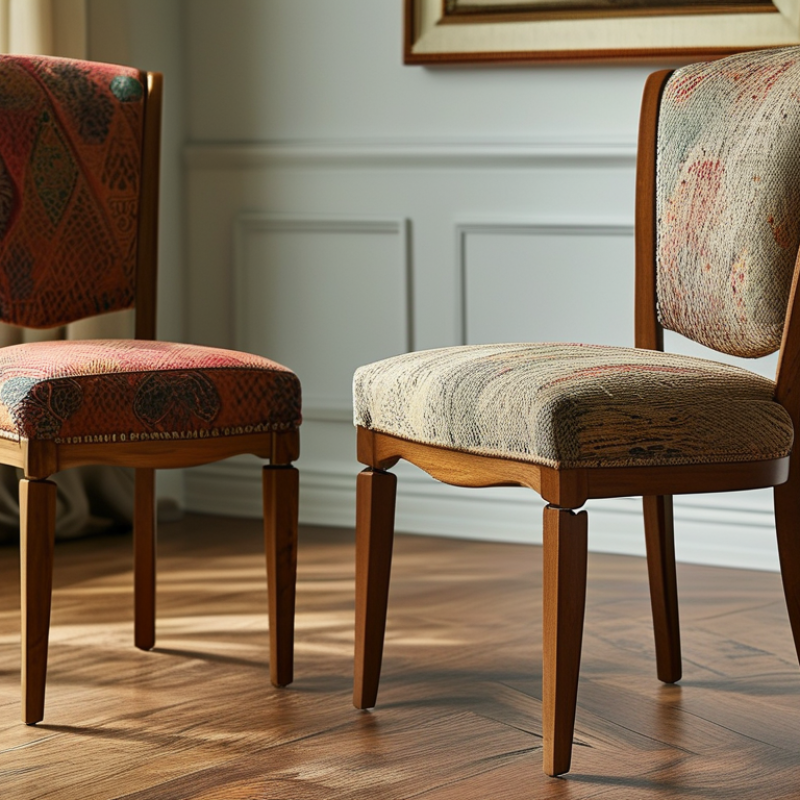
When selecting chair legs, material is a critical factor. Common options include wood, metal, plastic, and rubber. Wood offers warmth and durability. It can also be refinished, which adds to its appeal. Metal legs provide a modern look and are incredibly strong. They are often used in contemporary designs, yet they can feel cold.
Plastic legs are lightweight and affordable. They are resistant to moisture and easy to clean, making them practical. However, they may lack style compared to wood or metal. Rubber legs can prevent slipping and protect floors. They are great for homes with children or pets, though less visually striking.
Choosing the right material requires thought. Consider where the chairs will be used. A dining room may need sturdy wood, while a casual setting may suit plastic. Reflect on the décor style too. Will sleek metal fit in or clash with your aesthetic? Ultimately, materials affect not just functionality but also the overall vibe of your space.
When choosing chair legs, both functionality and aesthetics play crucial roles. The design of chair legs influences the overall feel of a space. Sleek, modern legs can elevate contemporary decor, while ornate designs may suit traditional interiors. Material choices also matter. Wood offers warmth, while metal brings a sleek industrial touch.
Functionality extends beyond appearance. Consider stability and height. Some designs may look exquisite but can compromise balance. For example, thin legs might not support heavier frames effectively. Reflect on how often you move your chairs. Lightweight options are preferable in dynamic settings. Yet, sturdiness is critical for daily use.
Aesthetic choices often mirror personal taste. However, trends come and go, impacting longevity. Selecting a timeless design ensures lasting appeal. Experiencing different chair leg styles can help clarify preferences. Regularly revisiting your choices for functionality and style ensures they serve your space well. Design is about both form and function; finding your balance can be challenging yet rewarding.
| Design Style | Material | Height (cm) | Weight Capacity (kg) | Aesthetic Appeal |
|---|---|---|---|---|
| Mid-Century Modern | Wood | 45 | 120 | Classic |
| Industrial | Metal | 48 | 150 | Rugged |
| Scandinavian | Bamboo | 42 | 100 | Minimalist |
| Traditional | Solid Wood | 47 | 130 | Elegant |
| Contemporary | Polypropylene | 50 | 110 | Stylish |
| Rustic | Reclaimed Wood | 46 | 140 | Warm |
| Art Deco | Steel | 49 | 135 | Glamorous |
| Vintage | Cast Iron | 44 | 160 | Nostalgic |
| Modern Minimalist | Aluminum | 51 | 115 | Sleek |
| Eclectic | Mixed Materials | 43 | 125 | Unique |
When selecting chair legs, size and height are crucial aspects. A chair that is too low can strain your back. Conversely, a chair that is too high may cause discomfort in your legs. According to a study by the American Chiropractic Association, proper chair height can reduce the risk of musculoskeletal issues by up to 30%. This data underscores the importance of choosing the right dimensions.
Optimal chair leg height typically ranges from 16 to 21 inches for dining chairs. This range accommodates most table heights, generally between 28 and 30 inches. However, many buyers overlook personal comfort and specific use cases. For instance, a chair leg height that suits one individual may not work for another based on their stature or the table height. A detailed examination of user ergonomics can help avoid mismatches.
Stability goes hand in hand with size. Wider chair legs often distribute weight more evenly. A narrow base might create a tipping hazard, especially in environments with active use. Research shows that chairs with a wider stance can improve overall balance by 25%. Users should consider their needs while keeping industry standards in mind. Finding a balance between aesthetics and functionality can lead to better long-term satisfaction.
When selecting chair legs, compatibility is crucial. Different chair styles demand specific leg designs. For example, mid-century modern chairs typically benefit from slender, tapered legs. In contrast, more traditional designs may pair best with robust, turned legs. According to recent industry reports, furniture buyers increasingly prefer versatile legs that complement various aesthetics. Approximately 65% of consumers report that adjustable legs are a major selling point.
Material choice also plays a significant role in compatibility. Wood legs exude warmth and classic appeal, but metal can lend a contemporary twist. A survey by the Furniture Manufacturers Association reveals that 58% of buyers prioritize durability. Hence, selecting the right material is essential. Some designs may look great but might lack structural integrity. Buyers often overlook this aspect, leading to potential regrets after purchase.
Height and width are additional factors to consider. The right leg dimensions can enhance comfort and functionality. According to design principles, legs should ideally support the chair's function without hindering space. In some cases, a style may clash visually with the leg design. This discord often results in an unsatisfactory aesthetic. Exploring different options ensures that the final choice aligns with personal taste and functional needs.
When selecting chair legs, buyers must weigh cost against quality. A report from the Furniture Industry Research Association shows that nearly 70% of purchasers consider durability more valuable than price. Cheap chair legs may save money initially, but they often lead to replacements, negating those savings.
One vital tip: always check material specifications. Wood, metal, and plastic each have unique strengths and weaknesses. For instance, steel legs offer excellent durability but can rust over time without proper care. Conversely, wooden legs provide a classic look but may not withstand heavy use.
Budget-conscious buyers should compare prices from various suppliers while reviewing customer feedback. Many products may appear similar but can vary significantly in quality. Avoid falling for aesthetic appeal alone. Focus on the overall design and stability. A chair's safety depends largely on its legs. Quality chair legs contribute to a chair's lifespan, making informed decisions essential.
: Focus on both functionality and aesthetics. The design impacts the overall feel of your space.
Thin legs may look appealing but may not support heavier frames effectively.
They are great for dynamic settings, but sturdiness is key for daily use.
Different materials offer varying aesthetics and durability, impacting overall appeal and longevity.
Explore various styles and regularly revisit your choices to maintain functionality and style.
Quality is often more valuable than cost; cheap legs may require replacements soon.
Yes, the right leg dimensions enhance comfort without hindering space.
Match the leg design to the chair's overall style and functionality for a cohesive look.
Many overlook durability, which can lead to regrets and replacements later on.
Aesthetic choices reflect personal taste but need to consider trends and longevity for lasting appeal.
In the pursuit of selecting the perfect chair legs, buyers must navigate various considerations to ensure optimal functionality and aesthetic appeal. First and foremost, exploring different materials—such as wood, metal, and plastic—can significantly influence both durability and style. Additionally, understanding chair leg designs is crucial, as they must not only complement the overall look of the chair but also provide the necessary support for stability.
Furthermore, the size and height of chair legs play a vital role in maintaining balance, while compatibility with various chair styles ensures that the chosen legs align with individual preferences and needs. Finally, buyers must weigh the cost against the quality of the materials used, making informed purchasing decisions that reflect their budget and desired longevity. Overall, being well-informed about these aspects can lead to a satisfying and successful chair legs purchase.

Daxinghong Hardware