Choosing the right Counter Height Sofa Legs can change how a sofa feels, functions, and fits a room. A few extra inches may improve posture, create useful storage space, or make cleaning easier. However, height alone should not decide the purchase. Leg material, weight capacity, mounting plates, floor protection, and visual proportion all matter.
This guide examines ten practical options for counter-height sofas. Each selection should be judged against the sofa’s frame and intended use. Solid wood legs can add warmth, while steel legs often provide a sharper appearance and dependable support. Adjustable designs may solve uneven-floor problems, but they can also introduce movement when poorly installed. Measure carefully. The wrong height is noticeable.
Reliable evaluation begins with manufacturer specifications, accurate measurements, and hands-on checks. Confirm the thread size, attachment pattern, and total load rating before ordering. Place the sofa on a level surface, then test for wobbling, shifting, and pressure around each mounting point. Felt pads or rubber feet can protect hardwood and tile, though they may compress over time. That detail is easy to overlook.
The ranking also considers style, installation effort, maintenance, and long-term value. Some legs look impressive online but feel too delicate under a deep, heavy sofa. Others seem plain until they create a cleaner silhouette. Personal experience matters, yet it is not perfect. A trusted choice still deserves careful inspection after installation. That is where comfort and safety become real.
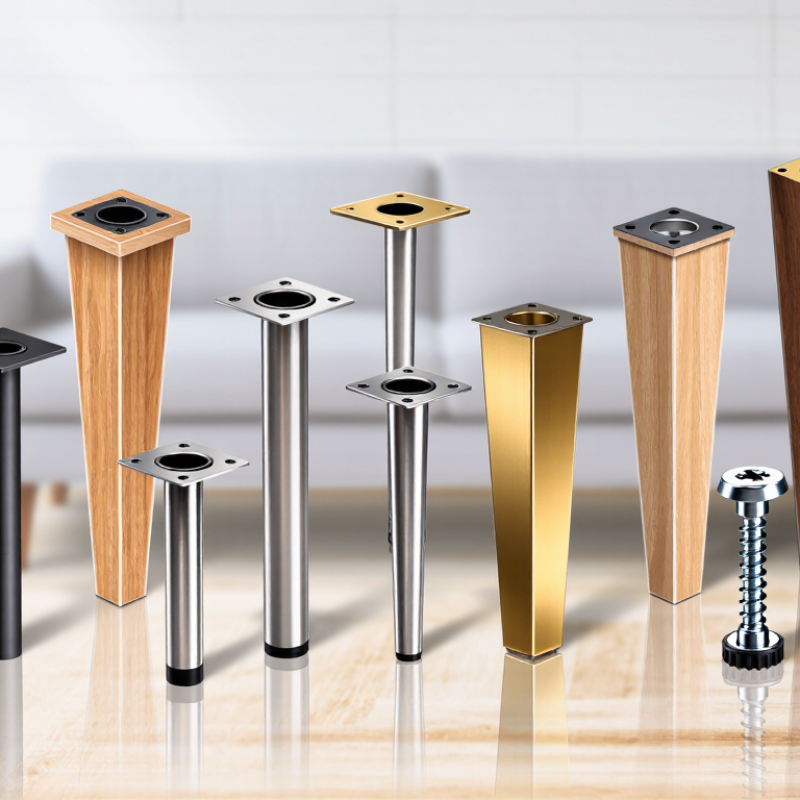
Counter height sofa legs are taller supports that lift a sofa seat above standard seating height. They usually raise the seat to about 20–24 inches, depending on cushion thickness and frame design. This height can align with a kitchen island or counter, making conversation and dining more comfortable.
These legs work by transferring the sofa’s weight into the floor through mounting plates or threaded fittings. A secure connection matters more than appearance. Before choosing one of the top ten leg styles, measure the sofa frame, existing leg spacing, and finished seat height. A six-inch leg may feel perfect on a firm cushion but too tall on a soft, deep one. Small errors become obvious when your feet do not rest naturally.
I have replaced sofa legs where the original screws were loose and the frame had minor splitting. The repair held, but it reminded me that taller legs increase leverage during movement. Use properly sized screws, inspect the wood, and test the sofa gradually. Wide, angled legs can improve stability, while narrow legs create a lighter visual effect. Metal options often provide strong support, but they may transfer more floor vibration. Protective pads help on wood or tile. Comfort depends on more than height; seat depth and cushion firmness still matter. Measuring twice is sensible, though I still occasionally underestimate cushion compression.
| Rank | Leg Type | Common Material | Typical Leg Height | Approximate Finished Seat Height | Typical Load Capacity per Leg | How It Works | Best Use | Main Consideration |
|---|---|---|---|---|---|---|---|---|
| 1 | Adjustable Metal Furniture Legs | Powder-coated steel or aluminum | 5–10 in (13–25 cm) | 23–28 in (58–71 cm) | 100–250 lb (45–113 kg) | Threaded feet or telescoping sections allow the height to be fine-tuned after installation. | Projects requiring precise counter-height positioning or leveling on uneven floors | Adjustment hardware must be locked securely to prevent movement or loosening. |
| 2 | Tapered Hardwood Legs | Hard maple, beech, oak, or similar hardwood | 6–10 in (15–25 cm) | 24–28 in (61–71 cm) | 75–150 lb (34–68 kg) | A broad upper block attaches to the sofa frame while the leg narrows toward the floor for a lighter profile. | Traditional, transitional, and mid-century sofa designs | Use structural screws or threaded inserts rather than relying on short wood screws alone. |
| 3 | Square Wood Block Legs | Solid hardwood or laminated wood | 6–9 in (15–23 cm) | 23–27 in (58–69 cm) | 100–200 lb (45–91 kg) | The wide, straight-sided shape transfers weight directly from the sofa frame to the floor. | Heavy sofas, modular seating, and contemporary interiors | They are stable but visually bulky and need a level, well-supported attachment point. |
| 4 | Steel Hairpin Legs | Solid steel rod with a protective finish | 6–10 in (15–25 cm) | 23–28 in (58–71 cm) | 50–100 lb (23–45 kg) | Two or three bent steel rods form a lightweight triangular support beneath a mounting plate. | Industrial, loft, and mid-century-inspired sofa conversions | Use enough legs and wide mounting plates; narrow designs can be less stable under side-to-side force. |
| 5 | Splayed or Angled Legs | Hardwood or steel | 6–10 in (15–25 cm) | 24–28 in (61–71 cm) | 75–150 lb (34–68 kg) | The outward angle widens the support footprint, helping resist rocking and improving visual balance. | Mid-century, Scandinavian, and compact modern sofas | Legs must be installed at matching angles and positioned symmetrically. |
| 6 | Conical Metal Legs | Steel or aluminum | 5–9 in (13–23 cm) | 22–27 in (56–69 cm) | 75–175 lb (34–79 kg) | A tapered metal column provides a slim appearance while carrying compression loads through a flat mounting plate. | Contemporary sofas where a clean, minimal profile is preferred | Check that the top plate is wide enough for the sofa rail or corner block. |
| 7 | Cylindrical Metal Legs | Steel or aluminum tubing | 6–10 in (15–25 cm) | 23–28 in (58–71 cm) | 100–250 lb (45–113 kg) | A straight round tube transfers vertical force through its center and can be paired with adjustable glides. | High-use seating and modern modular sofa frames | Thin-wall tubing may dent or bend if the load rating is exceeded. |
| 8 | Bun-Style Wood Legs | Turned hardwood | 4–8 in (10–20 cm) | 21–26 in (53–66 cm) | 75–150 lb (34–68 kg) | The rounded, compact form provides a broad base while raising the sofa higher than short standard feet. | Traditional, cottage, and upholstered sofa designs | Shorter versions may not reach counter height without a taller sofa frame or thicker support structure. |
| 9 | U-Shaped Metal Legs | Welded steel tubing | 6–10 in (15–25 cm) | 23–28 in (58–71 cm) | 125–250 lb (57–113 kg) | A continuous U-shaped frame distributes weight across two contact points and reduces the number of separate legs. | Long sofas, benches, and modern sectional components | The frame must be centered and firmly fastened to prevent twisting during use. |
| 10 | Reinforced Cabinet-Style Plinth Legs | Finished hardwood, plywood, or steel | 5–9 in (13–23 cm) | 22–27 in (56–69 cm) | 150–300 lb (68–136 kg) | A wide continuous base or boxed support spreads the sofa load over a larger floor area than individual feet. | Large, deep, or heavy sofas needing strong visual and structural support | The plinth must be braced against racking and fitted with floor-protecting pads or glides. |
Tapered and turned hardwood legs suit traditional, linen, and upholstered sofas. Their warm grain softens formal shapes. Check the frame strength first.
Square hardwood legs fit boxy contemporary sofas. Their wider footprint spreads pressure more evenly. They feel stable beneath thick cushions.
Hairpin and splayed steel legs work well with compact or industrial sofas. Their sharp lines may contrast with rounded cushions. Measure carefully.
Cylindrical stainless steel legs suit busy lounge seating and durable fabrics. Cast aluminum adds a cooler architectural detail. Both need secure mounting.
Clear acrylic legs keep the floor visually open. Scratches show easily, especially near pets or cleaning tools. Inspect each leg before installation.
Adjustable leveling legs help heavy sectionals sit evenly on sloped floors. They also improve floor clearance. Practical beats decorative here.
Measure from the floor to the sofa frame, not the cushion surface. Add the proposed leg height. Then test whether your knees bend comfortably.
Check the thread size, mounting plate, weight rating, and adjustment range. Confirm the screws will not pierce the frame. Looks can deceive.
Place the sofa on a padded surface. Mark mounting points carefully. Tighten screws gradually in a diagonal pattern.
Adjust the feet and retest every section. Listen for creaking or movement. Retighten hardware after one week.
Counter Height Sofa Legs are designed to raise a sofa to a more elevated seating position, creating a comfortable transition between standard sofas and counter-height furniture. This guide explains how these legs affect seat height, posture, stability, and the overall appearance of a sofa. It also identifies the key features of high-quality options, including strong construction, reliable weight support, accurate sizing, secure attachment points, and finishes that complement different interiors.
The article compares ten popular design approaches by examining their shapes, heights, materials, installation methods, and compatibility with various sofa styles. It explores how metal, wood, and other durable materials can suit modern, traditional, minimalist, or industrial furniture. Finally, it offers practical advice for measuring existing legs, selecting the correct height, checking frame compatibility, and installing replacements safely. With the right Counter Height Sofa Legs, homeowners can improve both the function and visual balance of a sofa while achieving a customized seating experience.

 Daxinghong Hardware