In the world of interior design, "Cabinet Legs" play a pivotal role. They are not just functional but also enhance aesthetic appeal. A recent report from the Furniture Manufacturers Association highlighted that 65% of consumers consider style crucial in selecting furniture components. Industry expert Mark Reynolds states, "The right choice of cabinet legs can transform an ordinary piece into a standout feature."
Buyers need to be aware of trends in cabinet legs. The demand is increasing for sustainable materials, with eco-friendly legs accounting for approximately 30% of the market. However, some options still compromise on durability. Designers often face challenges in balancing style and practicality. There is a noticeable gap between consumers' desire for unique designs and their need for reliable support.
Quality cabinet legs multiply the value of cabinetry. Yet, selecting the ideal leg sometimes becomes overwhelming. Variability in sizes and materials is vast. Buyers might overlook these details, leading to mismatched appearances. Therefore, analyzing diverse styles is essential for making the best choice. Consider this guide to navigate the complexities and find the top options available.
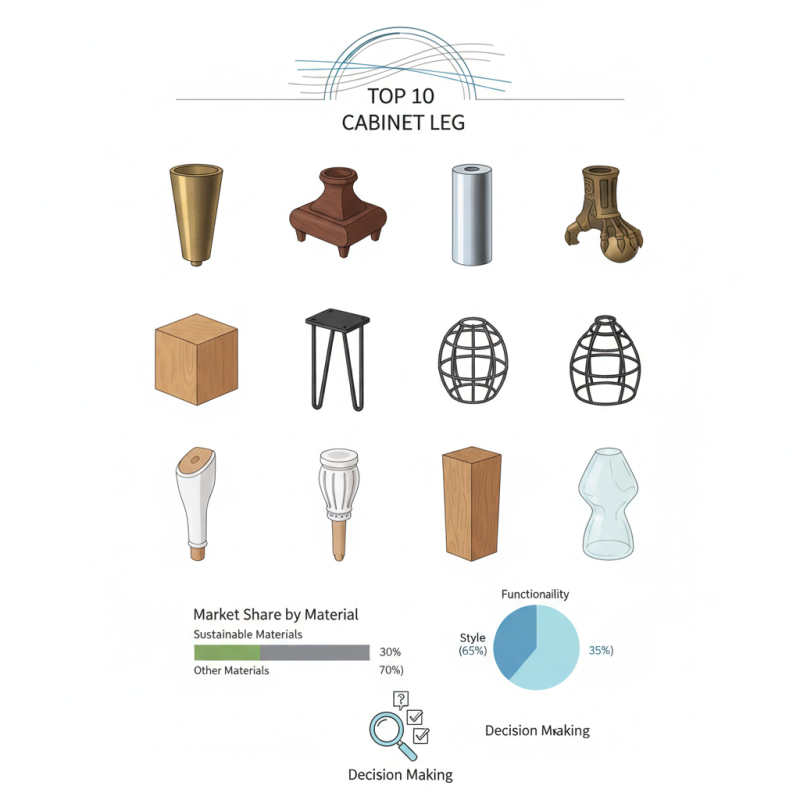
Overview of Cabinet Legs: Importance and Functionality
Cabinet legs play a crucial role in both functionality and aesthetics of furniture. They provide stability and support, ensuring that cabinets remain sturdy. A well-designed cabinet leg can enhance the overall look of a piece, making it more appealing to buyers. According to a report by Market Research Future, the demand for stylish and durable cabinet legs is increasing. This trend is attributed to a growing emphasis on customized interior design.
The functionality of cabinet legs extends beyond mere support. High-quality legs help to prevent moisture damage, especially in kitchens and bathrooms. A study from the National Kitchen and Bath Association indicates that 65% of homeowners consider moisture resistance a must-have in cabinetry. Additionally, adjustable legs allow for easy leveling on uneven floors, offering versatility during installation. This is particularly important for international buyers, as flooring standards can differ greatly across regions, impacting installation techniques.
However, not all cabinet legs are created equal. The market is flooded with options, and not all will meet the necessary durability standards. Some materials may wear down quickly or not support weight effectively. Buyers should prioritize options that are well-reviewed in terms of stability and longevity. Balancing aesthetics and practicality can be challenging, but it is essential for both designers and consumers seeking quality cabinet solutions.
Materials Used in Cabinet Legs: A Comprehensive Guide
When selecting cabinet legs, materials play a crucial role in both aesthetics and durability.
Wood is a classic choice, known for its warmth and elegance. Varieties like oak and walnut offer unique grains and colors.
However, wood can be susceptible to moisture and scratches, which may require maintenance or replacement.
Metal cabinet legs provide a modern look and superior strength. They are often made of stainless steel or aluminum, both resistant to corrosion.
Yet, they may lack the warmth that wood offers.
Plastic is another emerging option, frequently used for budget-friendly projects. It is lightweight and versatile, making it easy to install.
However, plastic may not provide the same structural support as wood or metal.
For a blend of style and durability, consider composites or engineered materials. These often mimic the look of wood while offering enhanced resistance to various conditions.
Yet, quality can vary significantly among products in this category.
Choosing the right material involves weighing the pros and cons based on your specific needs. Each option comes with its own set of advantages and disadvantages.
Investing time in research can pay off in the long run. Consider how each material interacts with your overall design and functionality requirements.
Top Design Styles for Cabinet Legs to Enhance Your Furniture
When choosing cabinet legs, design styles can make a significant impact.
Different styles can transform an ordinary piece of furniture into something extraordinary. For instance, tapered legs add a touch of elegance. They are often found in mid-century modern designs. Their narrow shape offers a sleek appearance that many find appealing.
On the other hand, industrial styles bring an edgy, raw feel. Using metals or rough-hewn wood, these legs can evoke a rustic charm. They often come in bold shapes, making them a striking choice for modern homes.
For those leaning towards minimalism, straight legs are perfect. They embody simplicity and clean lines, making any cabinet look more streamlined.
However, not every style suits every home. It’s crucial to consider your overall décor. Balancing cabinet leg designs with existing furniture is necessary. Some might lean too heavily into trends, risking a disjointed look. Reflecting on how each style complements your space will lead to more cohesive results.
Remember, the right choice should enhance function as well as beauty.
Key Factors to Consider When Choosing Cabinet Legs
Choosing the right cabinet legs is more than just a style choice. It's essential to consider functionality, stability, and aesthetics. One critical factor is the material. Wooden legs offer a classic appeal, while metal options provide a sleek, modern look. Ensure the material aligns with the overall theme of your space.
Load capacity is vital. Some legs can’t support heavy cabinets. Assess the weight of your cabinets and check the specifications of the legs. Only choose legs that can bear the load without bending or breaking.
Tip: Always test the legs with the cabinet. This gives insight into stability, even with minor weight.
Height is another consideration. It impacts both style and usability. Ensure the height complements the cabinet's purpose. Short legs can make storage challenging, while tall legs might make cleaning difficult.
Tip: Measure your space before selecting any height.
Don’t forget about the finish. This affects how well the legs blend with other furniture. A mismatched finish can disrupt your design flow. Take time to explore different options and choose thoughtfully.
Top 10 Cabinet Legs for Global Buyers to Consider
| Material |
Height (inches) |
Weight Capacity (lbs) |
Finish Options |
Price Range (USD) |
| Wood |
4 |
300 |
Natural, Stained |
$30 - $50 |
| Metal |
6 |
500 |
Brushed, Polished |
$40 - $70 |
| Plastic |
5 |
150 |
Black, White |
$10 - $20 |
| Adjustable Metal |
4-6 |
400 |
Coated, Powdered |
$60 - $90 |
| Bamboo |
5 |
250 |
Natural, Laminated |
$25 - $45 |
| Aluminum |
7 |
600 |
Anodized, Powder Coated |
$50 - $80 |
| Steel |
6 |
700 |
Galvanized, Stainless |
$70 - $100 |
| Composite |
4 |
200 |
Textured, Smooth |
$15 - $30 |
| Wooden with Casters |
5 |
300 |
Natural, Painted |
$40 - $60 |
| PVC |
5 |
180 |
Matte, Glossy |
$12 - $25 |
Global Trends in Cabinet Leg Designs: What to Look Out For
Cabinet legs play a crucial role in both the functionality and aesthetic of cabinets. As global trends evolve, so too do design considerations for these essential components. Buyers should be aware of varying materials, such as wood, metal, and plastic. Each material offers distinct benefits and styles. For example, wooden legs provide warmth and character, while metal legs can impart a modern industrial vibe.
Sustainability is another key trend. Many consumers now prefer eco-friendly materials that reduce environmental impact. Reclaimed wood and recycled metals are gaining popularity. These options not only look good but also tell a story. Each piece carries its history, which adds depth to your design.
Shapes and heights vary significantly across regions. European designs may lean towards sleek, minimalistic styles, while Asian designs often incorporate intricate details and natural finishes. Understanding these differences can enhance the import experience. It’s important to reflect on how these trends resonate with personal taste and local customs. Embracing diversity in leg design can lead to unique and innovative cabinet solutions.
Global Trends in Cabinet Leg Designs: Key Features Comparison
FAQS
: Common materials include wood, metal, plastic, and composites. Each has unique qualities.
Wood offers warmth and elegance. Oak and walnut have beautiful grains and colors.
Yes, wood can be prone to moisture damage and scratches, needing maintenance.
Metal legs provide a modern look and superior strength, resisting corrosion effectively.
Plastic is lightweight but may lack structural support compared to wood or metal.
Composites mimic wood’s look while enhancing resistance to various conditions, but quality varies.
Assess the weight of your cabinets and select legs that can safely support that weight.
Height affects usability and style. Short legs can hinder storage, while tall legs complicate cleaning.
The finish impacts blending with other furniture. Mismatched finishes can disrupt your design.
Test the legs with the cabinet to check stability, even with a small weight.
Conclusion
Cabinet legs are essential components that significantly enhance both the functionality and aesthetic appeal of furniture. They come in various styles and materials, enabling global buyers to select options that suit their design preferences and practical needs. A comprehensive understanding of cabinet legs, including the diverse materials used, is crucial for making informed decisions.
Different design styles can elevate the overall look of furniture, while key factors such as height, stability, and load-bearing capacity must be considered when choosing cabinet legs. Additionally, staying informed about global trends in cabinet leg designs can provide insights into popular styles and innovations in the market. This knowledge not only helps in selecting the right cabinet legs but also contributes to creating functional and stylish living spaces.

 Daxinghong Hardware