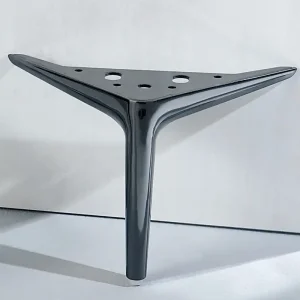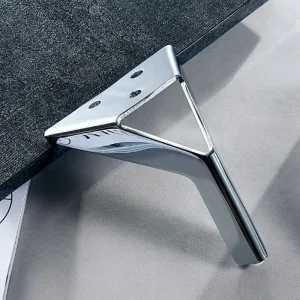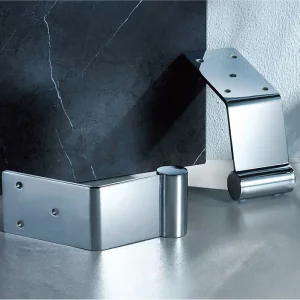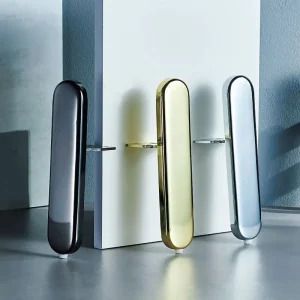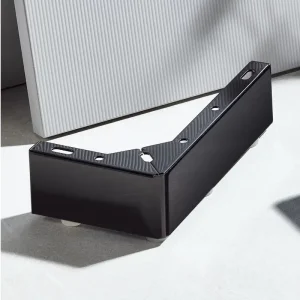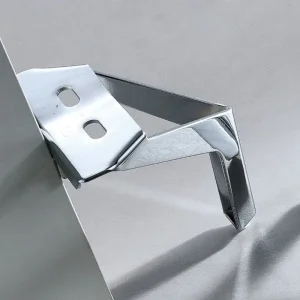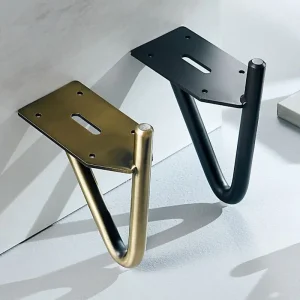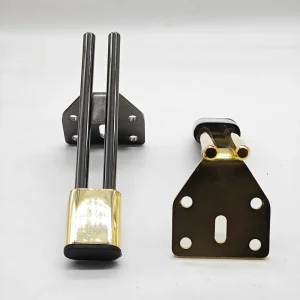
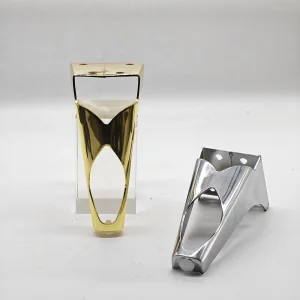
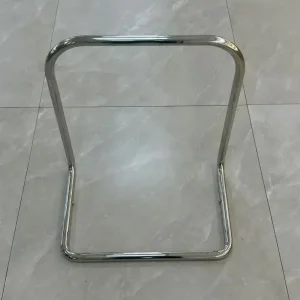
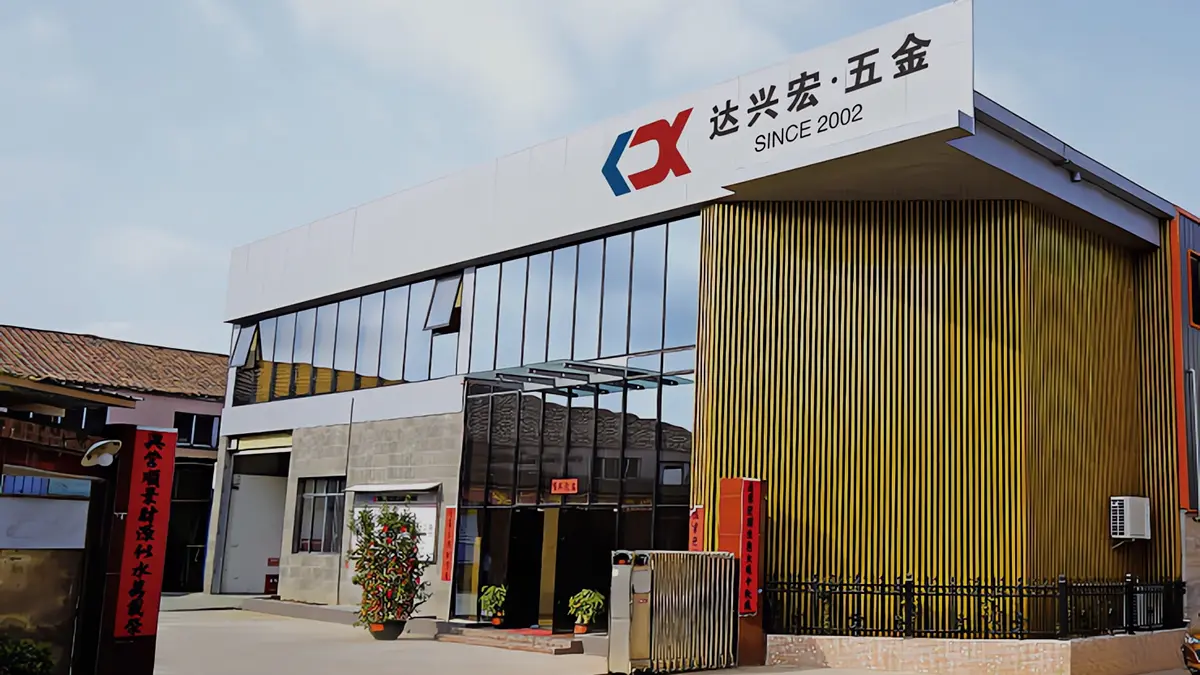
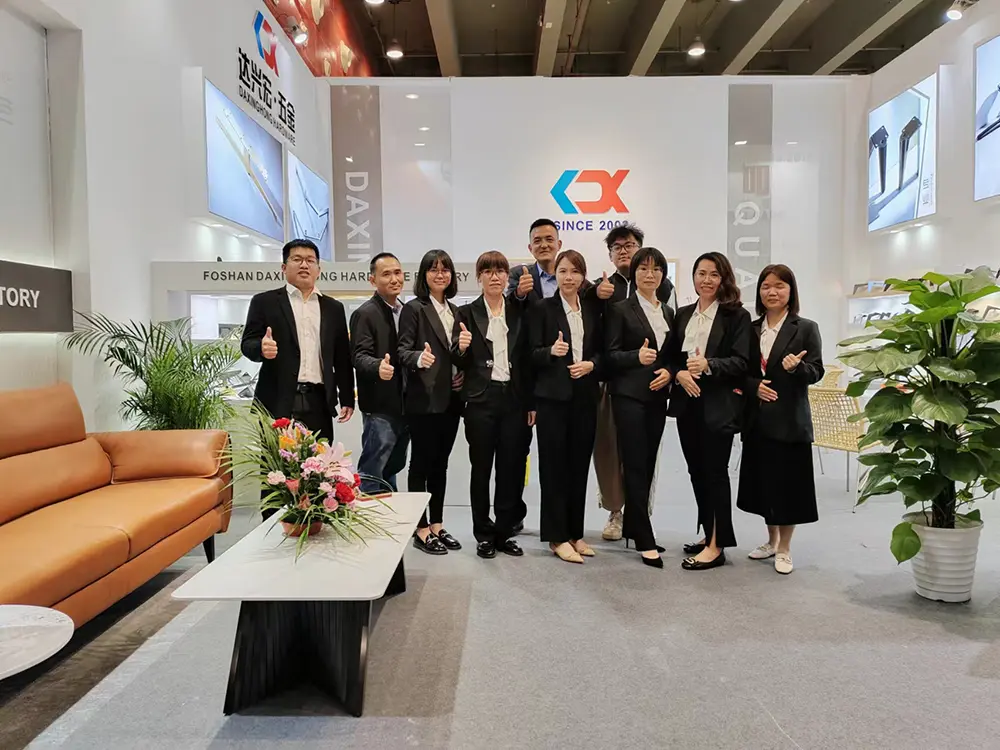
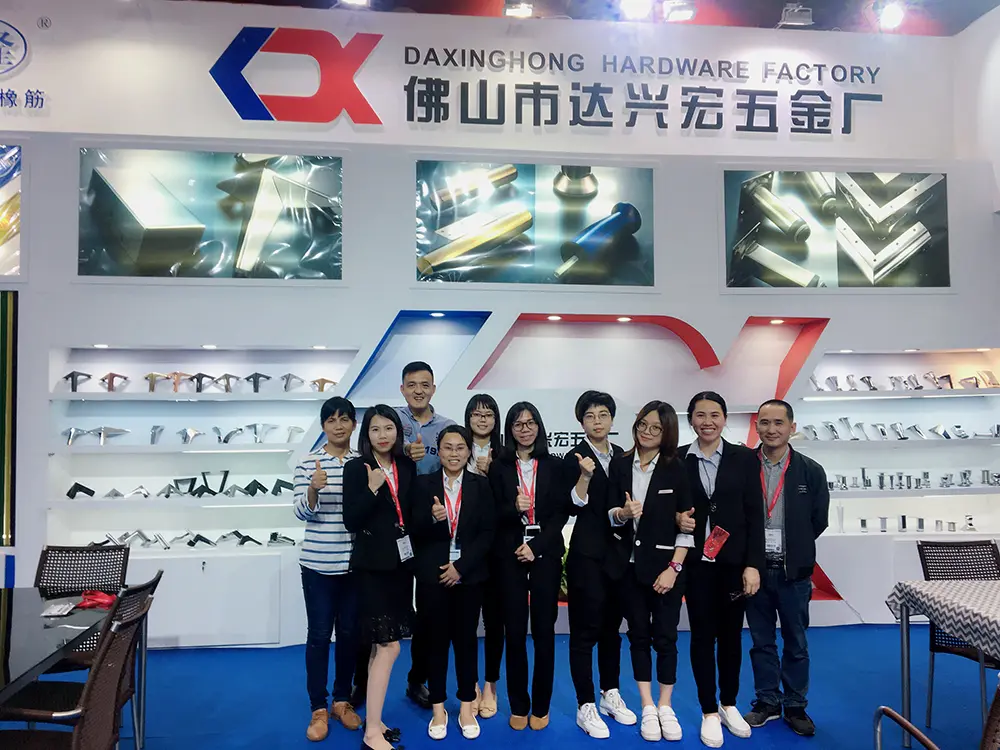
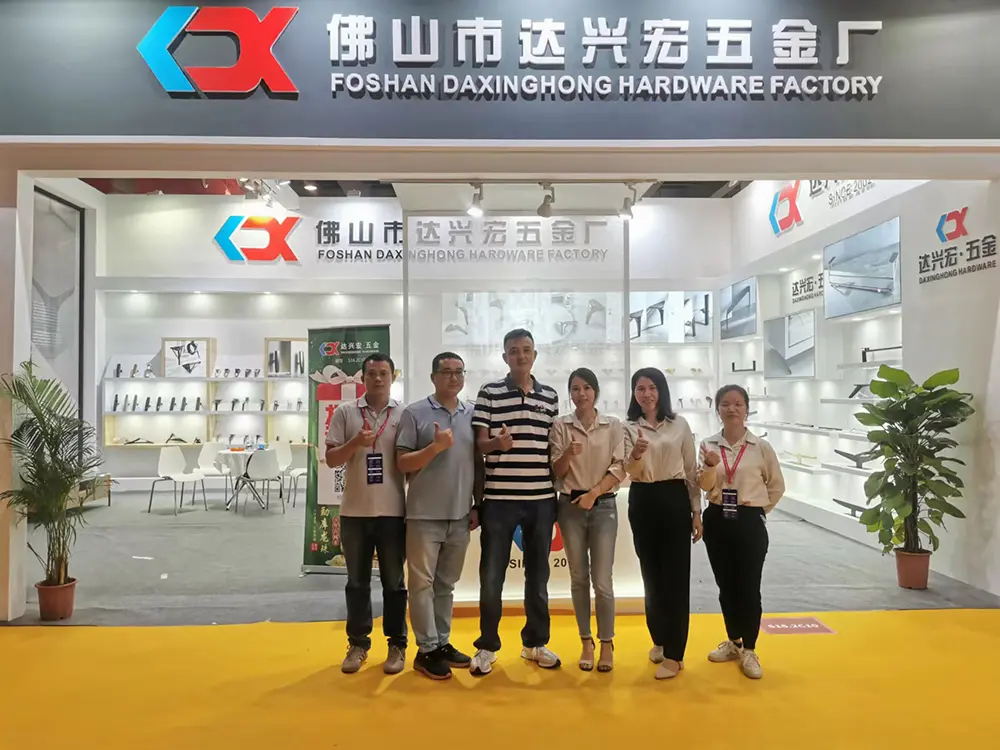
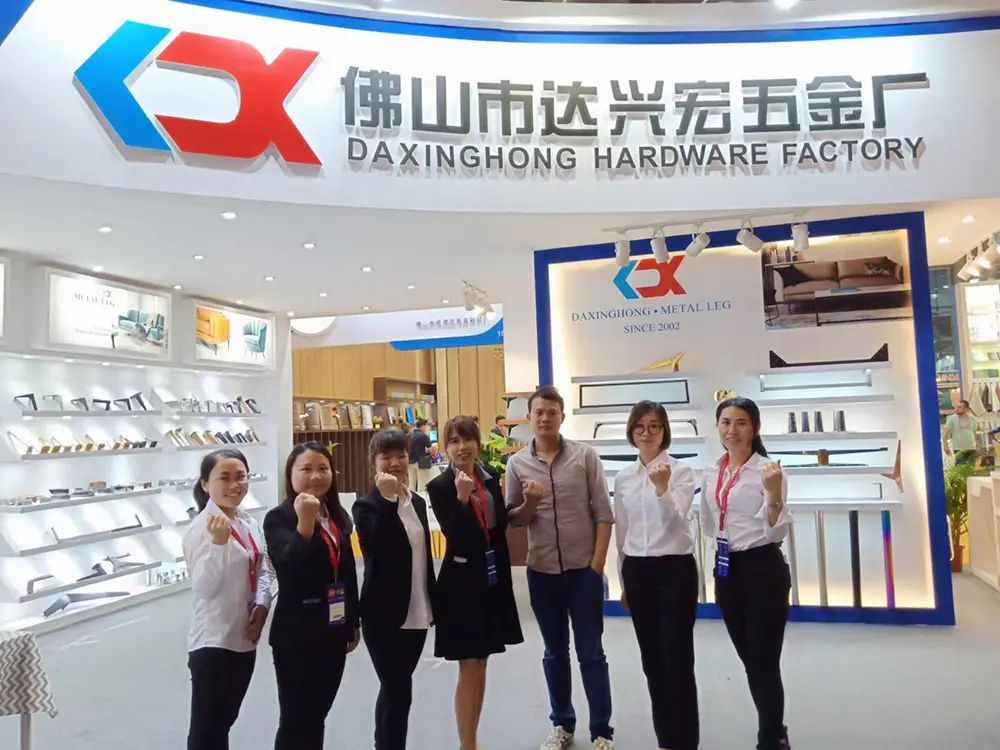
Founded in 2002 in the heart of Foshan—China's global capital for furniture and materials manufacturing—DAXINGHONG has emerged as a premier manufacturer of high-quality metal furniture frames, custom steel frameworks, and architectural hardware. With over two decades of engineering heritage, we specialize in high-capacity production, cutting-edge metallurgical treatments, and rigorous structural stress-testing to meet the strict demands of international OEM/ODM clients.
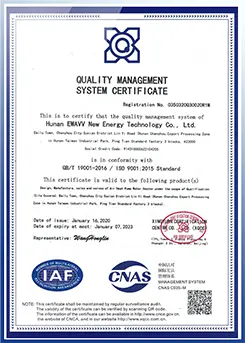
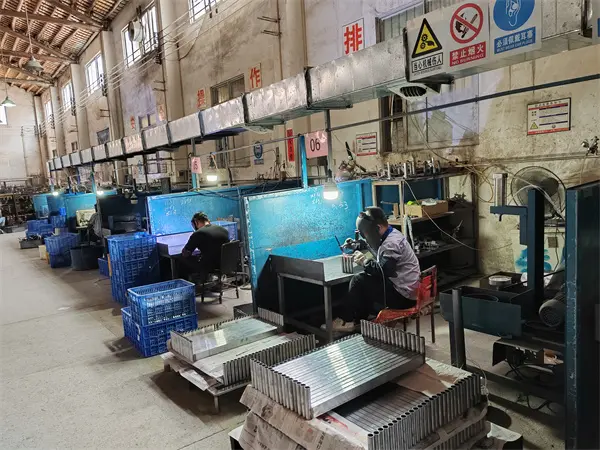
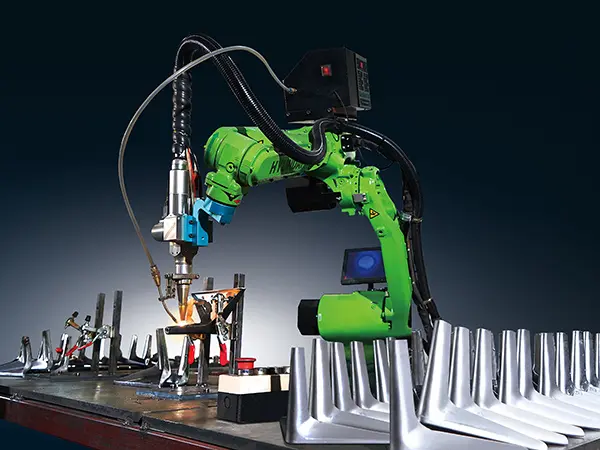
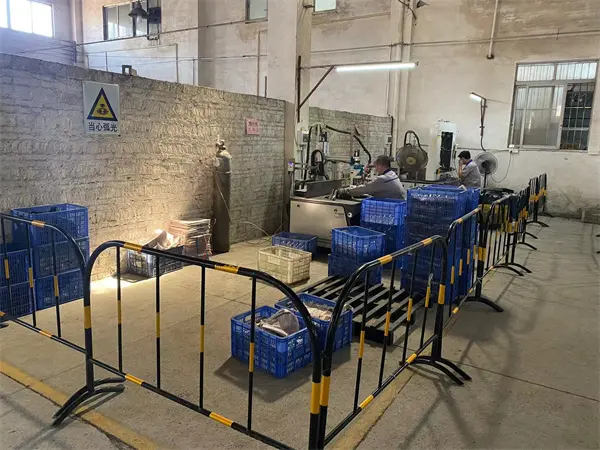
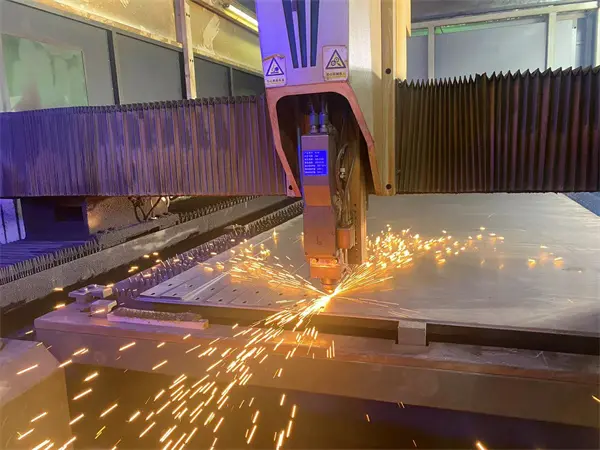
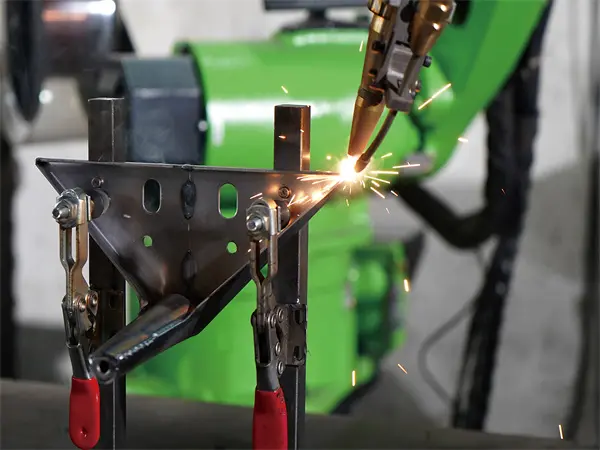
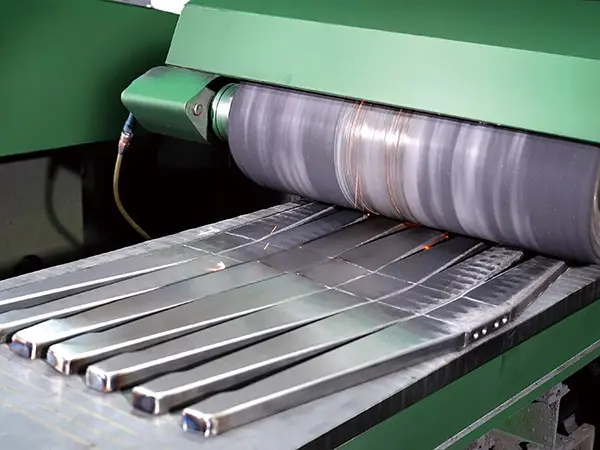
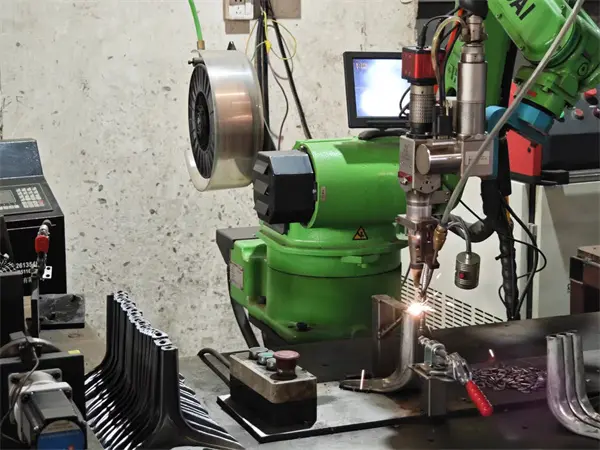
Our facility integrates robotic tube-bending arrays, advanced MIG/TIG welding cells, and automatic electrostatic powder coating lines. Under strict ISO 9001:2015 guidelines, we maintain high standards of structural integrity, corrosion resistance, and finish uniformity.
We inspect raw materials, evaluate mechanical stress points during fabrication, and audit protective surface finishes to ensure heavy commercial durability.

Our dedicated engineering team translates blueprint drafts, CAD files, and step formats into production prototypes within 7 to 10 working days.
Exported to over 40 countries, our metal chair frames, structural tables, and stool chassis support modern offices, retail areas, and industrial locations.

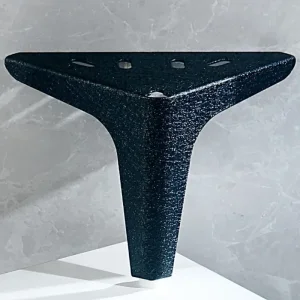
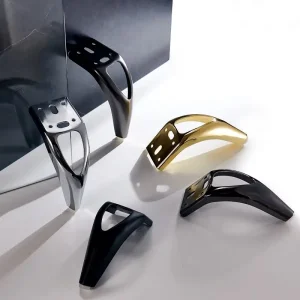
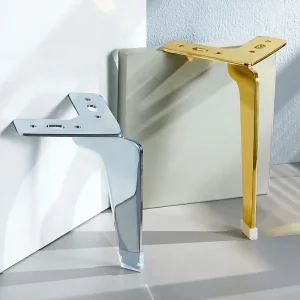
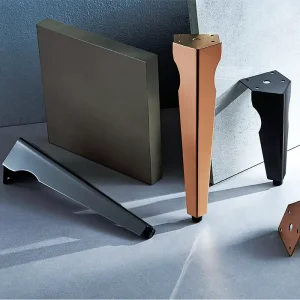
"Let our legs inspire your imagination." Over 10 custom product lines, 16 finishing styles, and more than 500 catalog configurations satisfy varying height, material, and colour requirements.

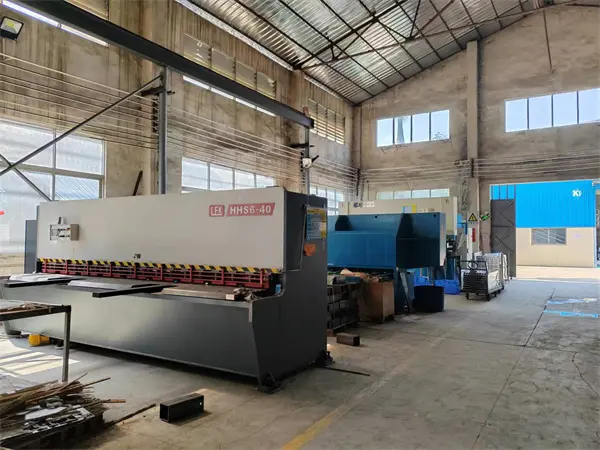
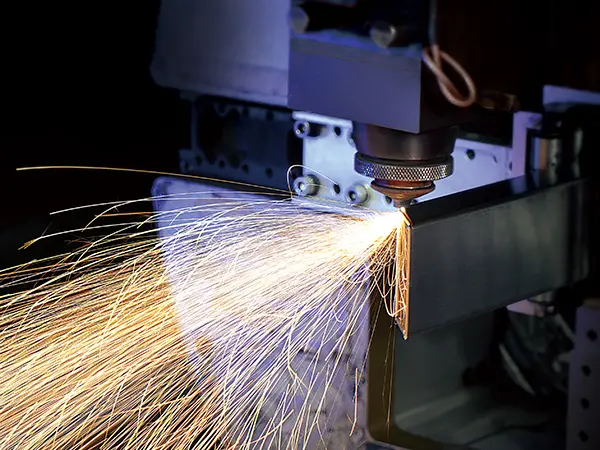
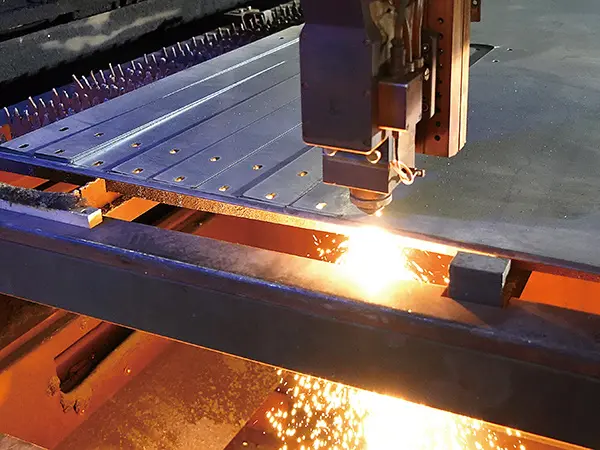
We implement automated manufacturing systems to enhance processing precision and output consistency, supporting long-term performance under commercial loads.

We continuously refine our fabrication methods to supply durable furniture components, establishing long-term, stable commercial partnerships worldwide.
Modern commercial spaces demand furniture structures that withstand consistent, high-frequency use. From busy airport lounges and tech office breakrooms to heavy-traffic restaurant bars, stool frames must endure lateral stresses and dynamic loads. Low-grade structural frames often suffer from weld fatigue, joint deformation, or finish peeling under these conditions.
To address these issues, professional manufacturers utilize precision tubular carbon steel, high-tensile stainless steel, and reinforced alloy profiles. Incorporating structural reinforcements, gussets, and continuous weld lines ensures stability, helping commercial projects maintain safety and minimize replacement costs.
Selecting the appropriate tube gauge and wall thickness determines the performance of heavy-duty seating. While residential stools can use 18-gauge (1.2mm) tubing, commercial installations require 16-gauge (1.6mm) or 14-gauge (2.0mm) structures. Below is an overview of the typical specifications for commercial-grade stool frames:
| Performance Indicator | Commercial Grade (Recommended) | High-Traffic / Institutional | Standard Residential |
|---|---|---|---|
| Steel Tube Wall Thickness | 1.5 mm - 1.8 mm (16 Gauge) | 2.0 mm - 2.5 mm (14 Gauge) | 1.0 mm - 1.2 mm (18-20 Gauge) |
| Static Loading Capacity | Minimum 150 kg (330 lbs) | Up to 225 kg (500 lbs) | 90 kg - 110 kg (200 lbs) |
| Weld Application | Continuous MIG Welding | Robotic TIG & Multi-Point Welds | Spot / Tack Welding |
| Finishing Method | Electrostatic Powder Coating | PVD Plating / Chrome / Satin Nickel | Liquid Acrylic Painting |
| Testing Benchmark | ANSI / BIFMA X5.1 | ANSI / BIFMA X5.4 & EN 16139 | General Non-certified |
Modern design requires both aesthetic versatility and scratch resistance. Electrostatic powder coating applies a dry thermoset polymer layer that is heat-cured, creating a durable barrier against impacts and moisture.
For projects demanding metallic finishes—such as gold, brass, or satin titanium—Physical Vapor Deposition (PVD) electroplating offers a highly durable option. PVD bonds metal particles at a molecular level, providing superior resistance to wear, salt spray, and fingerprints compared to traditional wet-spray finishes.
Our manufacturing team supports customized development for contract furniture brands. Using detailed CAD files or physical samples, our engineering team manages the prototype phase, selecting appropriate dies, planning bending arcs, and developing welding jigs. This systematic approach ensures consistent dimensions across high-volume production runs, maintaining assembly alignment.
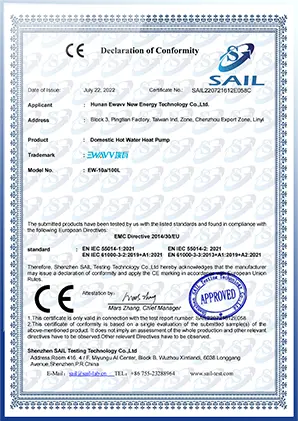
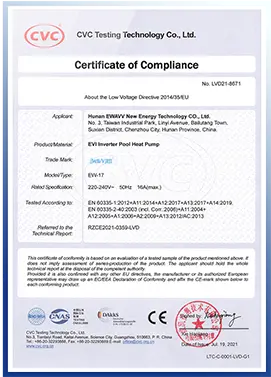
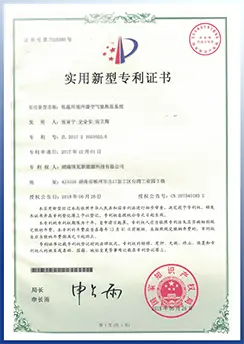
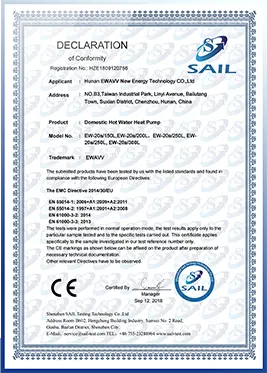
Our manufacturing facility operates under international quality management systems, helping our products meet structural and chemical safety standards worldwide.
We typically use cold-rolled carbon steel tubing and structural profiles, offering high tensile strength and weldability. For outdoor applications or high-corrosion environments, we offer stainless steel (Grade 304 or 316) frames.
Yes. Our commercial-grade bar stool structures are designed to meet ANSI/BIFMA X5.1 static load and fatigue cycle testing, helping ensure structural stability under commercial use.
The standard MOQ for custom frame designs varies depending on material and tooling requirements. Typically, production runs start at 500 units per style, though exceptions can be made for complex custom projects.
We use a multi-stage pre-treatment process, including degreasing and phosphate conversion coating, followed by automated electrostatic powder coating. This creates a strong bond that resists chipping, scratching, and humidity.
Standard prototype development takes 7 to 10 working days, depending on drawing complexity. Once the sample is approved, bulk production typically ranges from 30 to 45 days, depending on our manufacturing schedule.
 Daxinghong Hardware