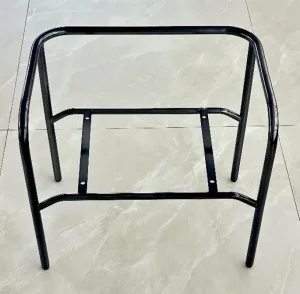
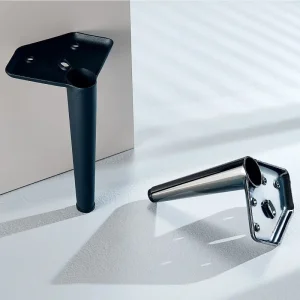
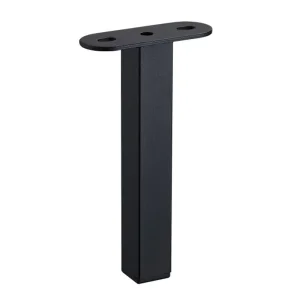
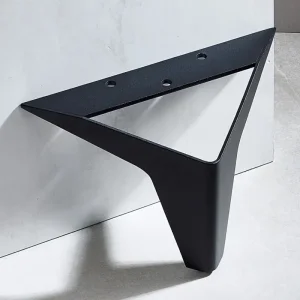
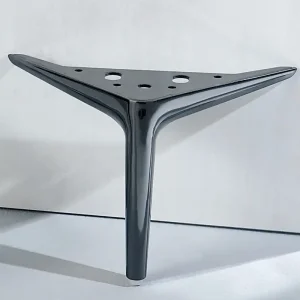
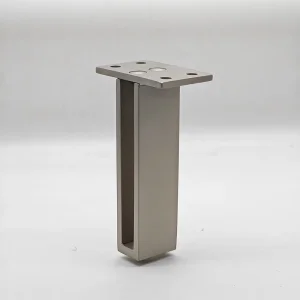
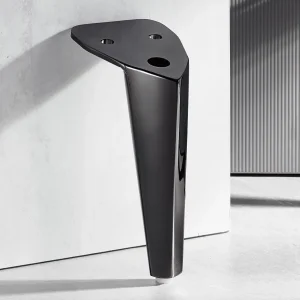
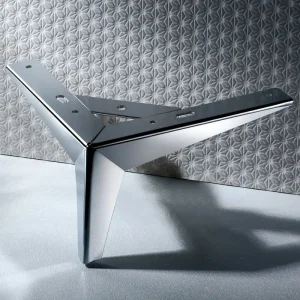
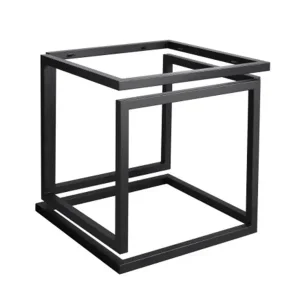
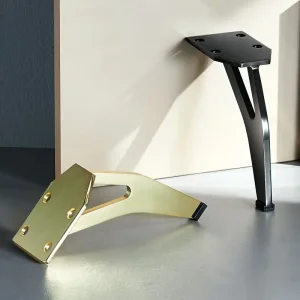
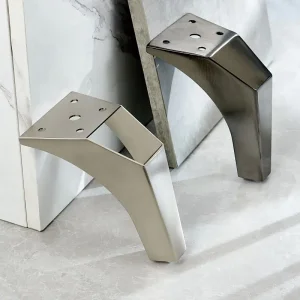
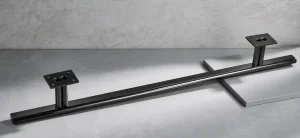
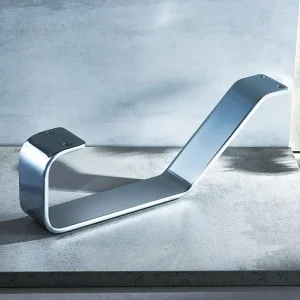
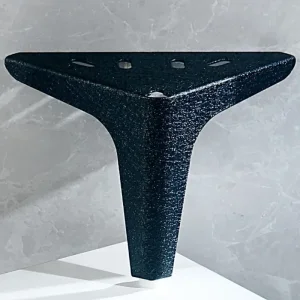
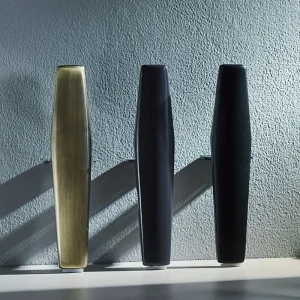
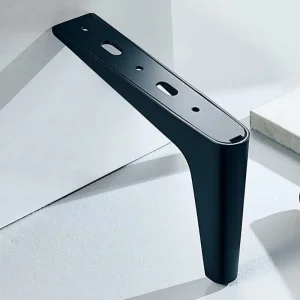
In the modern architecture, structural engineering, and commercial layout sectors, structural metal bench frames serve as the critical backbone for load distribution, longevity, and spatial safety.
As modern commercial interiors and municipal public spaces transition toward industrial minimalism and heavy-use reliability, standard off-the-shelf support legs no longer meet structural and safety certifications. B2B volume buyers, commercial architects, and furniture wholesalers now require highly engineered understructures designed to withstand dynamic shear forces, high weight limits, and aggressive environmental stressors. The global market demand has shifted decisively from basic aesthetic frame shapes to engineered, high-performance structural systems.
This paradigm shift is driven by the rapid growth of transit hubs (airports, high-speed rail stations), corporate campuses, educational institutes, and heavy-use outdoor public plazas. In these areas, structural integrity is directly linked to risk management. High-Quality Metal Bench Frames, fabricated using premium carbon steel, cast iron, or aerospace-grade aluminum, provide the ultimate solution. Understanding how these frames are designed, fabricated, and finished is critical for professional procurement officers and municipal planners looking to maximize long-term ROI.
An sub-standard bench frame can suffer from metal fatigue, weld cracking, and localized paint peeling leading to oxidation. Choosing a manufacturer that prioritizes robotic welding precision, rigorous raw material selection, and multi-stage chemical pretreatment prevents structural failures and premature maintenance cycles.
Developing heavy-duty bench support systems requires a precise approach to mechanical engineering and modern metallurgy.
We utilize certified structural carbon steel tubing (Q235/Q345 grades or ASTM A500 equivalents). These alloys offer high yield strength and fatigue resistance. For marine or highly humid environments, grade 304 or 316 stainless steel is specified to prevent sub-surface oxidation and galvanic corrosion at mounting locations.
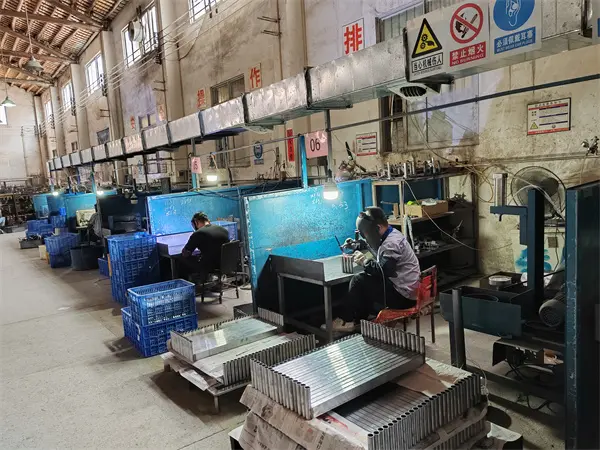
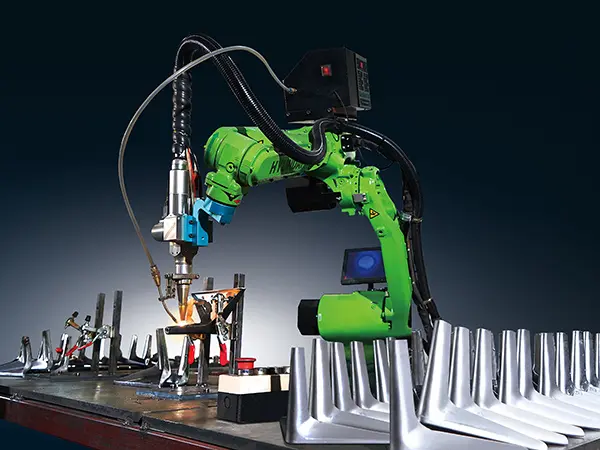
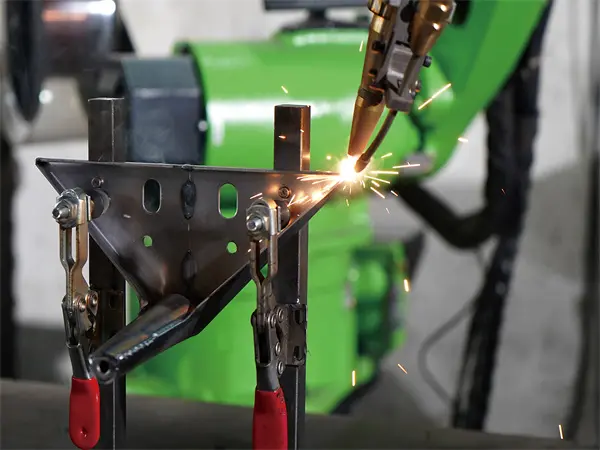
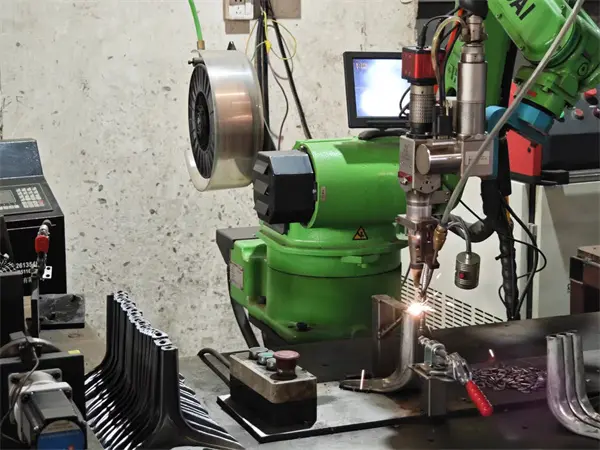
Our fabrication lines employ both robotic and manual Gas Metal Arc Welding (GMAW/MIG) and Gas Tungsten Arc Welding (GTAW/TIG). Every joint undergoes strict quality control checks to ensure complete weld penetration, eliminating micro-cracking and internal air pockets that compromise structural load limits under dynamic stress.
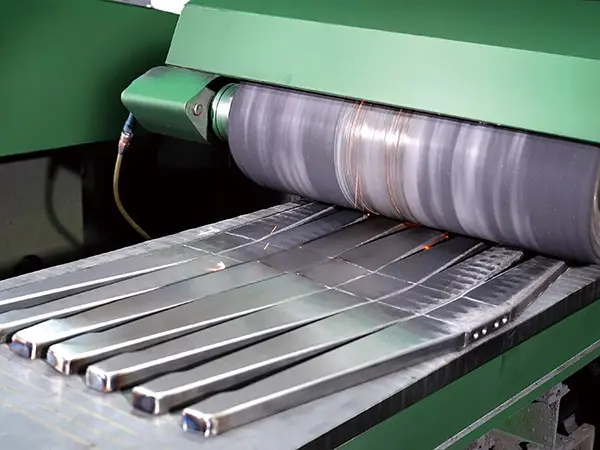
To survive hostile outdoor environments, our metal bench frames undergo a thorough 5-stage cleaning process: degreasing, acid pickling, rinsing, iron phosphate conversion coating, and a final sealer. Afterward, electrostatically charged TGIC polyester powder coating or liquid polyurethane is applied and oven-cured at 200°C.
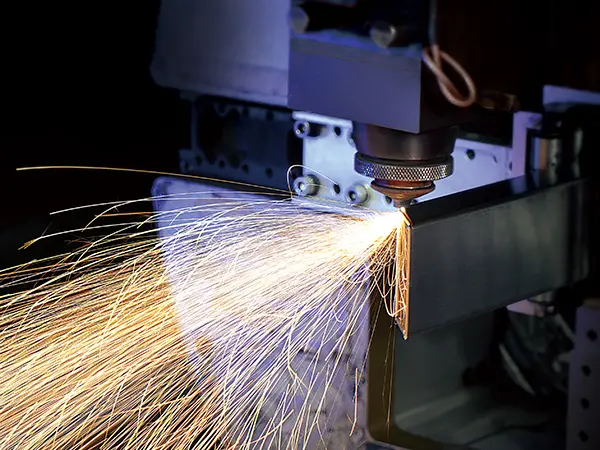
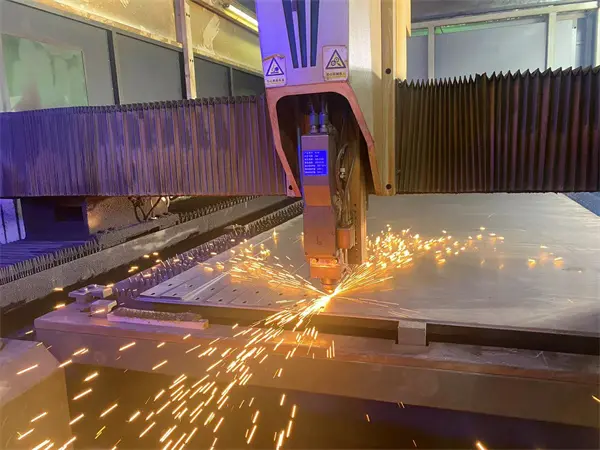
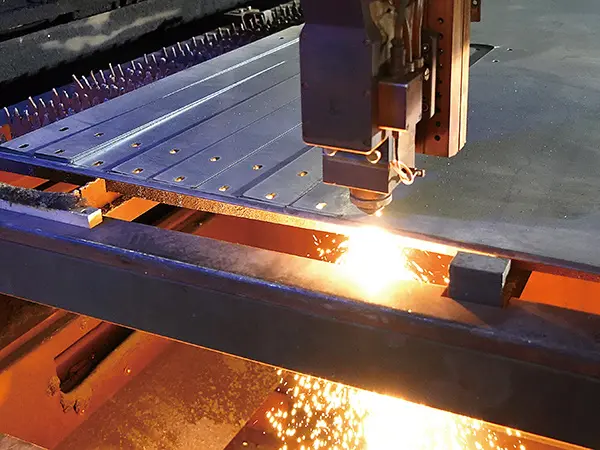
DAXINGHONG is introducing automated laser cutting systems and eco-friendly coatings. By minimizing VOC emissions during paint application and utilizing recyclable alloy scrap, we match the sustainability requirements of green building initiatives (LEED certification) worldwide.
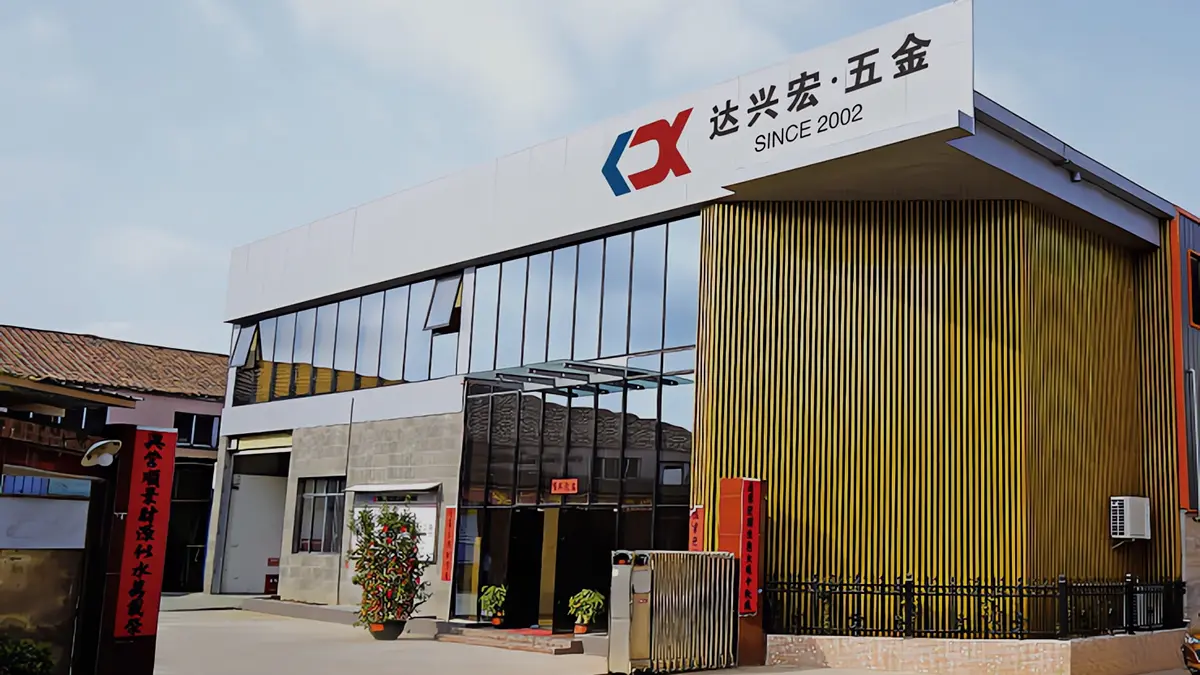
Foshan is the premier metal hardware cluster in China. Operating from this strategic region, DAXINGHONG optimizes lead times and manufacturing costs.
By grouping manufacturing assets near Foshan's major steel coil, stamping, and casting markets, DAXINGHONG ensures uninterrupted supply of raw materials. This strategic positioning eliminates inter-province delays, allowing us to respond quickly to custom OEM/ODM requests. In global manufacturing, shipping schedules and raw material shortages can easily disrupt major construction timelines. Our factory operates with buffer stocks and direct steel supplier partnerships, providing supply chain resilience that other mid-tier fabricators cannot replicate.
Additionally, Foshan's proximity to major deep-water ports like Shenzhen and Guangzhou streamlines the export process. Our advanced warehouse system handles custom labeling, pallet bundling, and ocean freight logistics seamlessly. This operational efficiency is supported by a monthly production capacity of 600,000 finished components, which keeps unit costs highly competitive and ensures scalable, on-time delivery for high-volume commercial furniture contracts.
Every region presents unique environmental challenges. We engineer our support frames to excel in localized applications around the world.
Salt air accelerates rust. For seaside boardwalks and resort seating, our frames use marine-grade stainless steel or hot-dip galvanized steel sub-layers. These treatments block chlorine ions, preventing corrosion under the powder-coat film.
Busy airports and train stations experience high public use. Our heavy-wall tube structures are engineered to handle high loads, resisting denting, bending, and structural fatigue. They also include secure floor-anchoring designs to prevent vandalism.
From sub-zero winter temperatures to high summer heat, metal structures contract and expand. Our frames are built with expansion joints and UV-stable coatings that won't crack under temperature swings, protecting the finish from peeling.
DAXINGHONG focuses on developing manufacturing techniques and maintaining strict quality control. Delivering reliable quality drives our company forward.
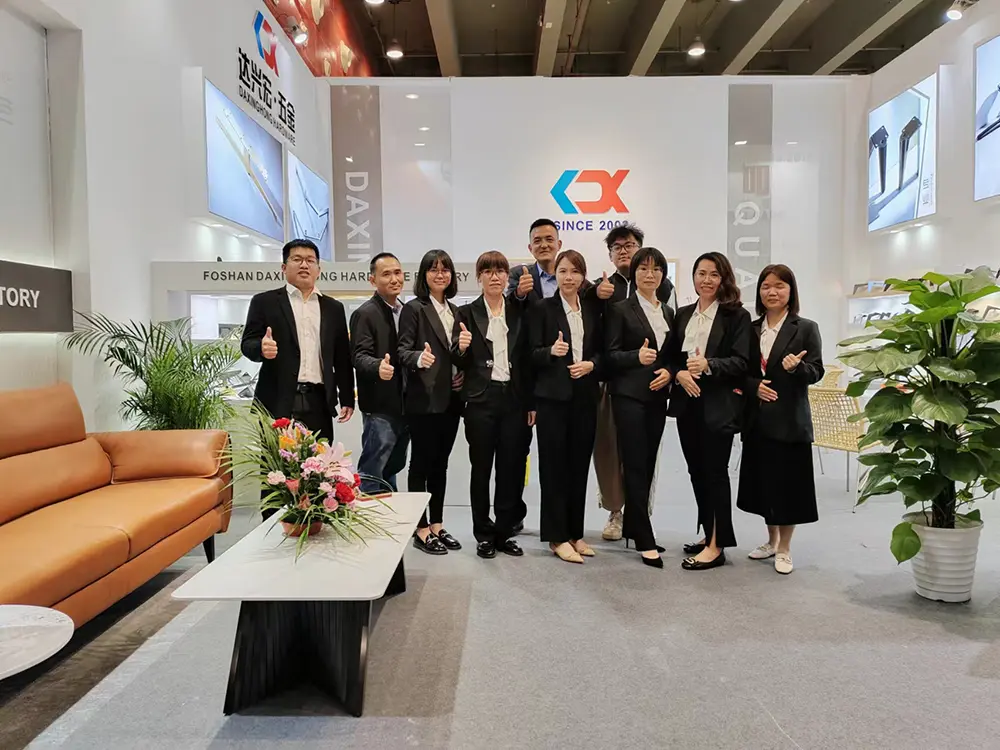
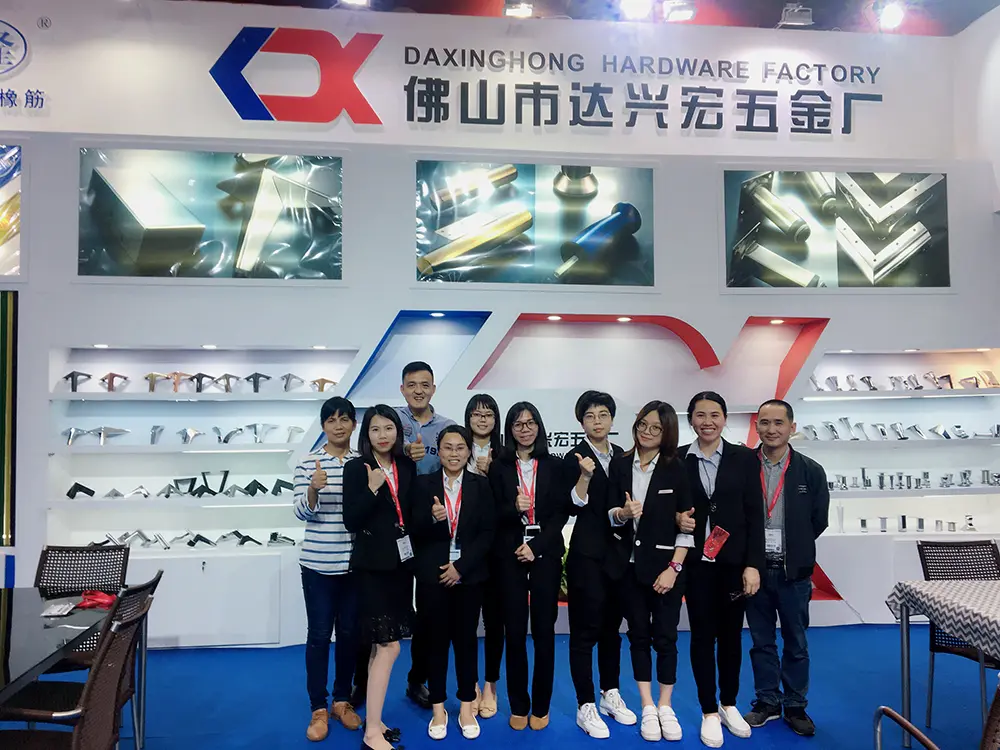
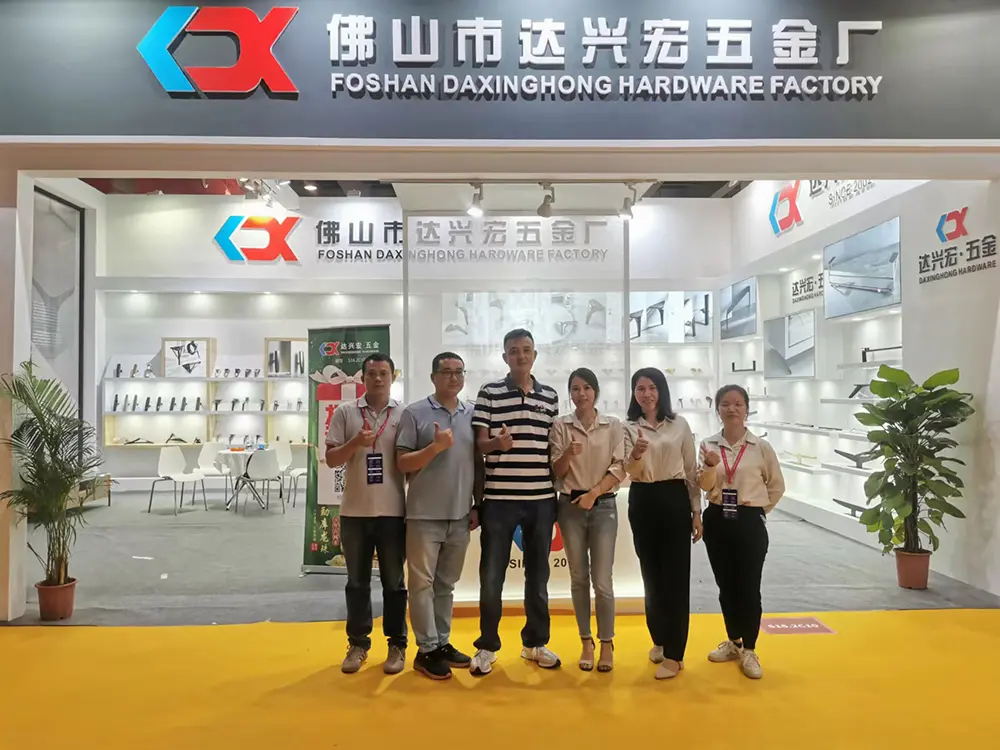
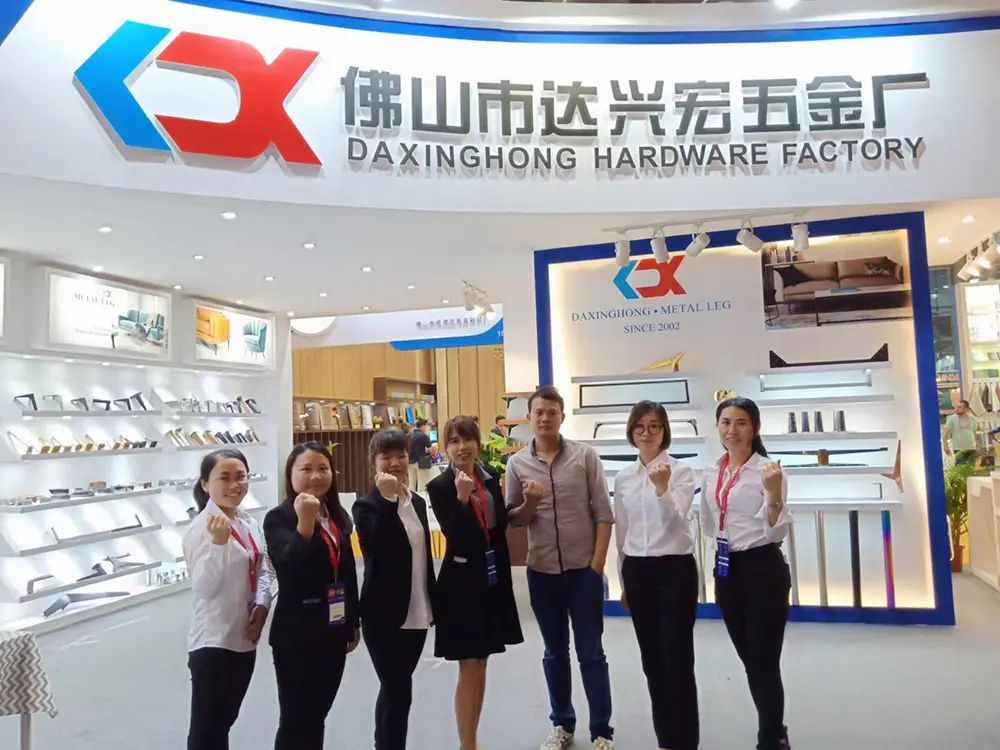
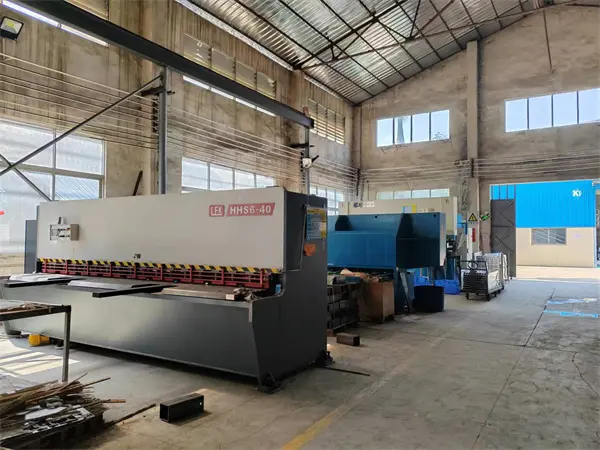
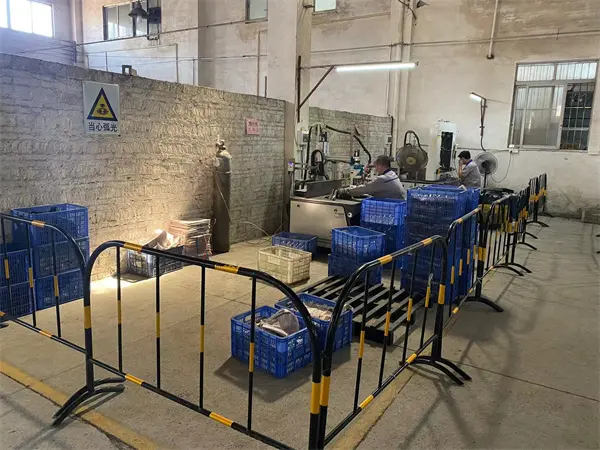
Founded in 2002 in Foshan, China, DAXINGHONG has established itself as an industry leader in furniture hardware fabrication. We inspect all materials from raw steel intake to final product packaging. Our state-of-the-art equipment helps us remain competitive and keep pace with global manufacturing standards.
We provide a supportive, growth-oriented environment for our employees, attracting dedicated design, engineering, and manufacturing talent. Our team works together to continuously innovate and set new benchmarks in the furniture leg and frame industry. We are ready to establish long-standing cooperation relationships with global distributors and OEM partners.
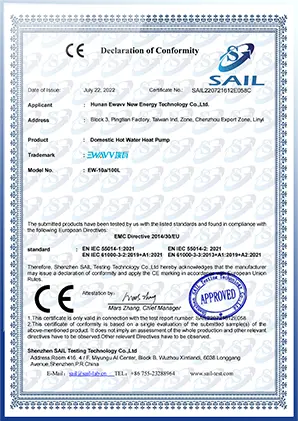
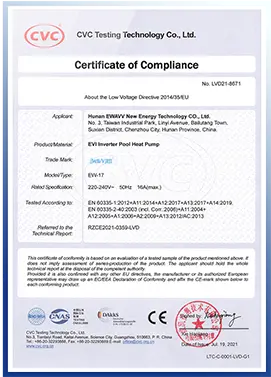
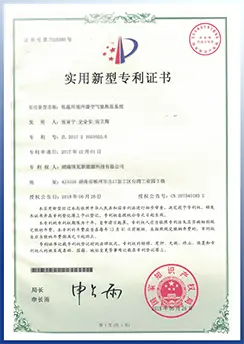
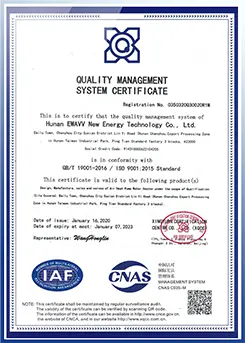
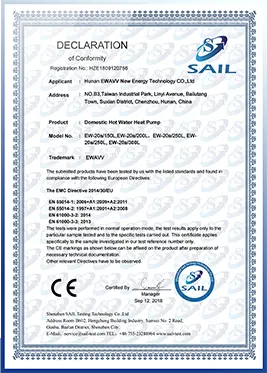
Our products are manufactured according to strict quality standards. We hold CE certifications and other international compliance credentials.
Key questions and answers regarding product customization, supply chain logistics, and material engineering.
 Daxinghong Hardware